Gut basics8 min read
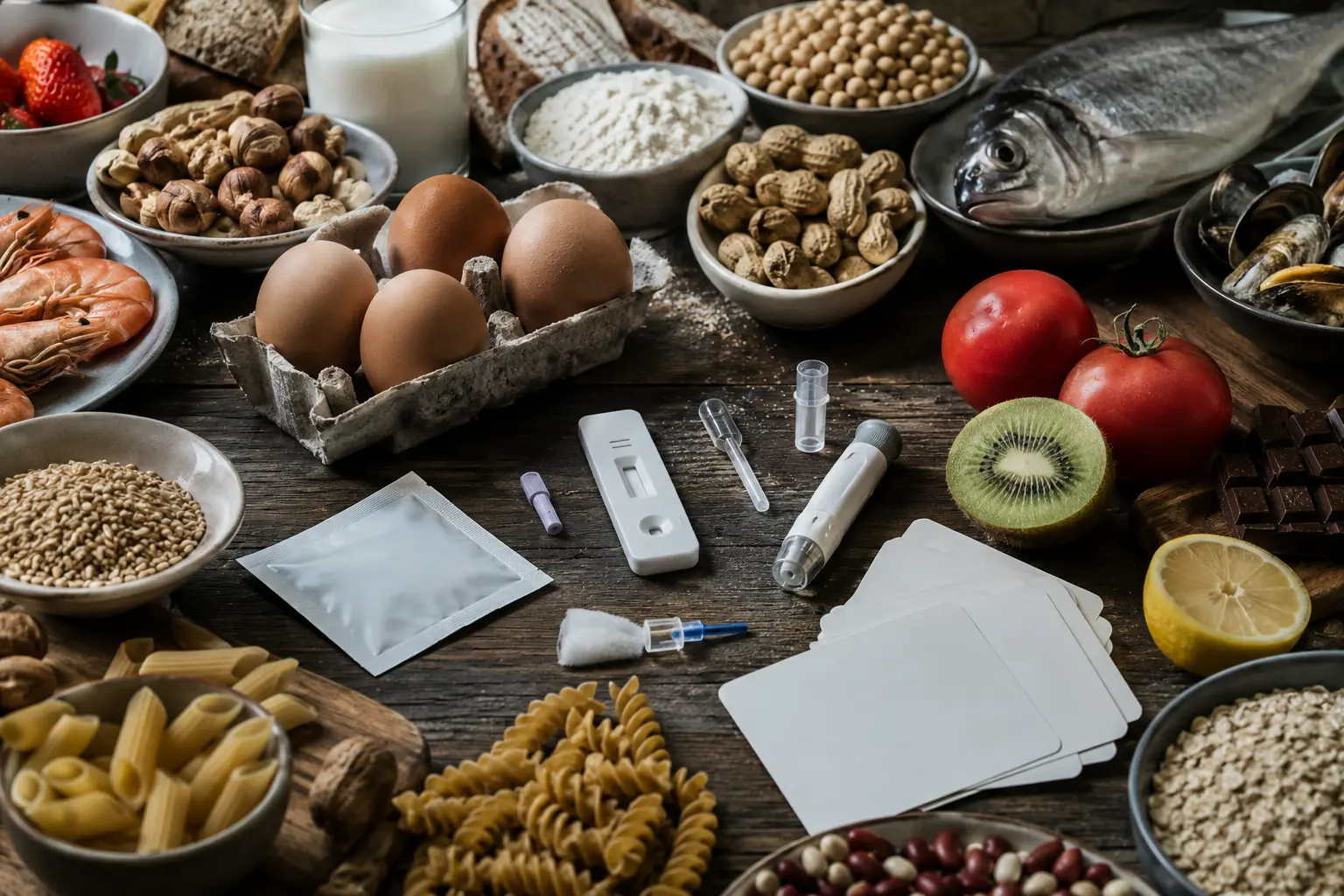
A mail-order food intolerance test cannot read your gut
A long list of foods and a scientific-looking report can feel like an answer. It may be an expensive route to the wrong restriction.
Read the guide ↗
Clear facts, candid opinions and practical ways to get more real food onto your plate. No wellness theatre. No factory spin. Just information normal people can actually use.
A long list of foods and a scientific-looking report can feel like an answer. It may be an expensive route to the wrong restriction.
Read the guide ↗
The sugar may be gone. The sorbitol, mannitol, maltitol or xylitol can still turn a quiet afternoon into a digestive event.
Read the guide ↗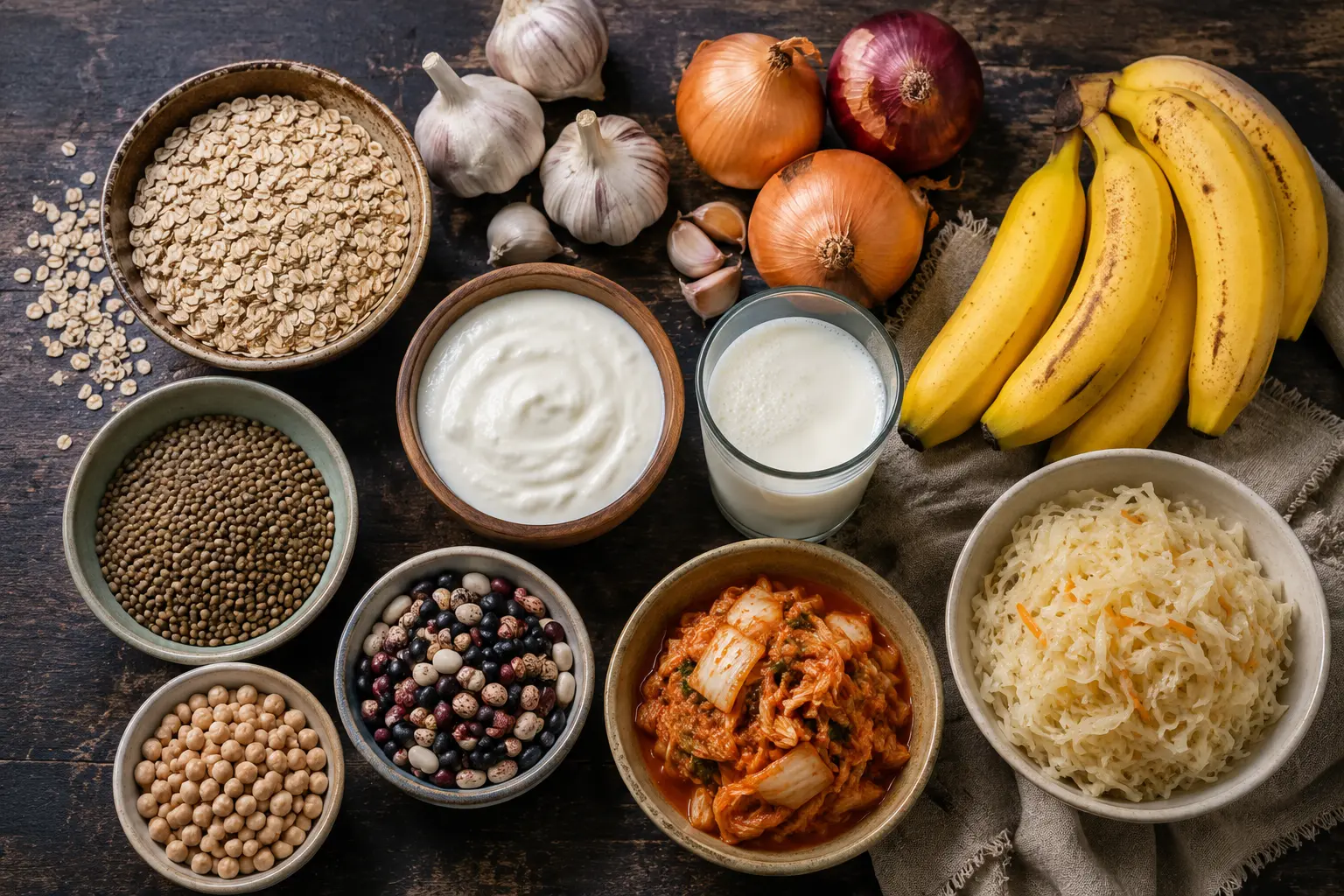
The gut-health aisle has blended three different ideas into one very marketable fog. Here is what the words actually mean.
Read the guide ↗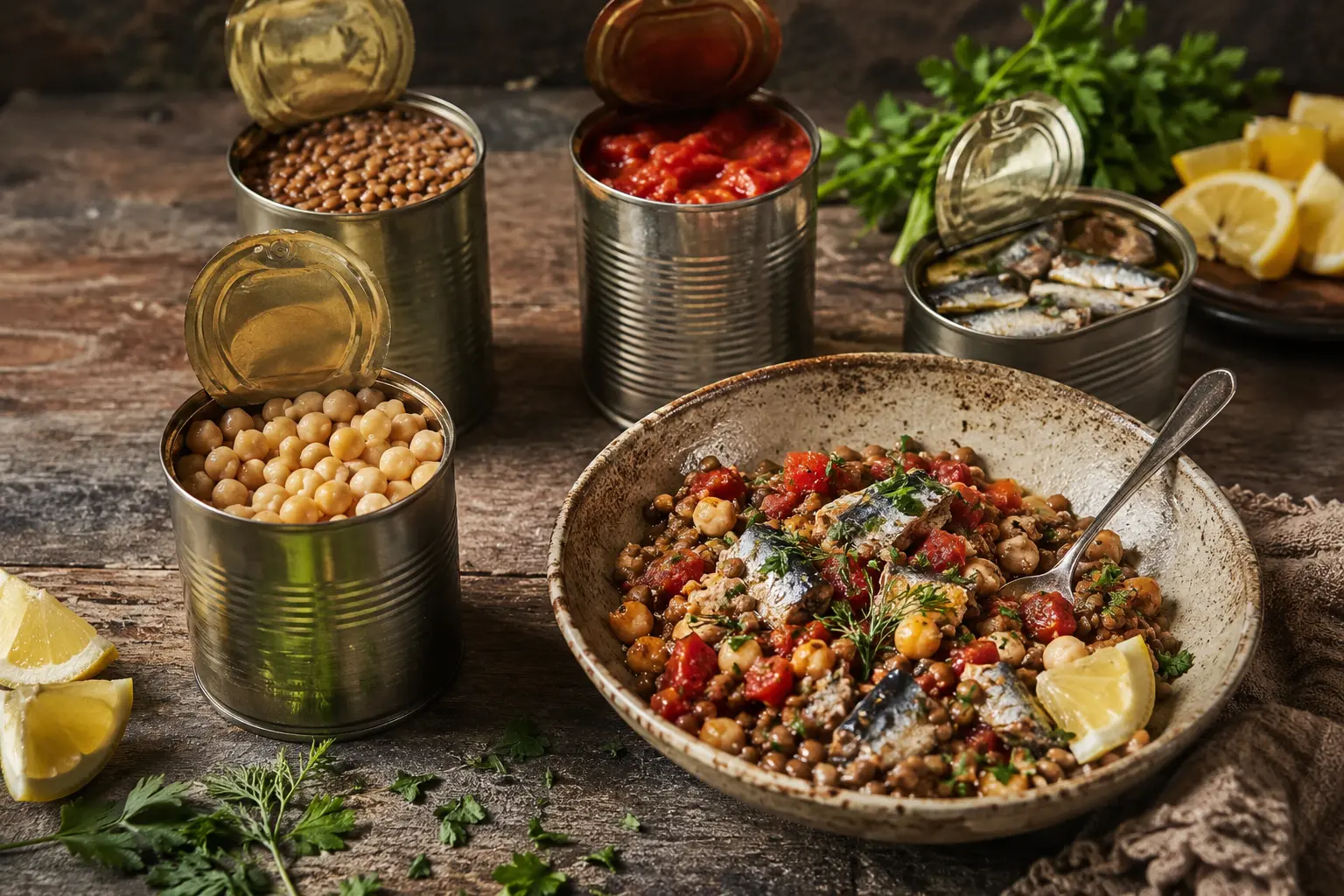
Canning is processing. It does not magically turn tomatoes, chickpeas, lentils or sardines into industrial junk.
Read the guide ↗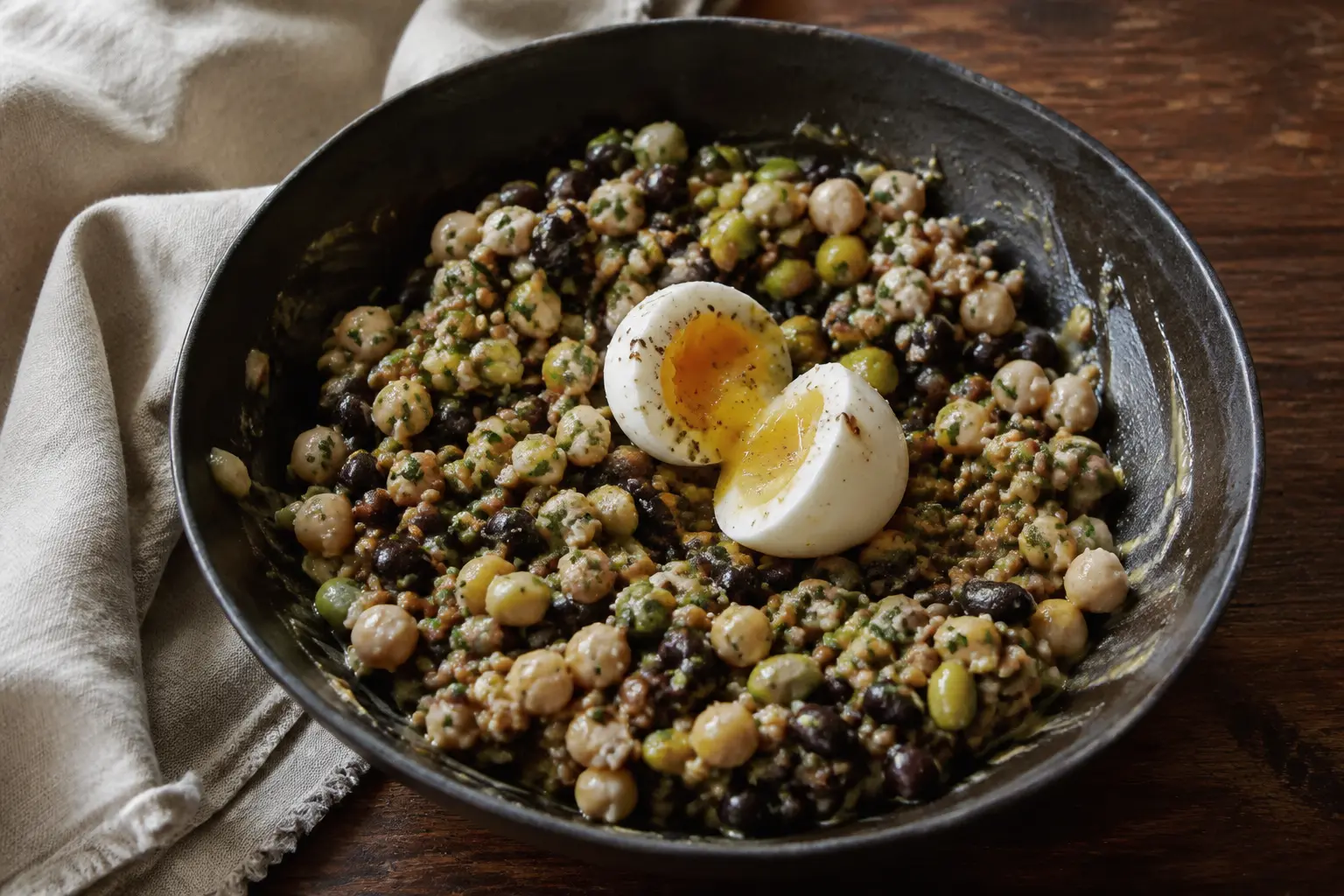
Protein is having its main-character moment. Pair it with fibre and dinner becomes far more useful.
Read the guide ↗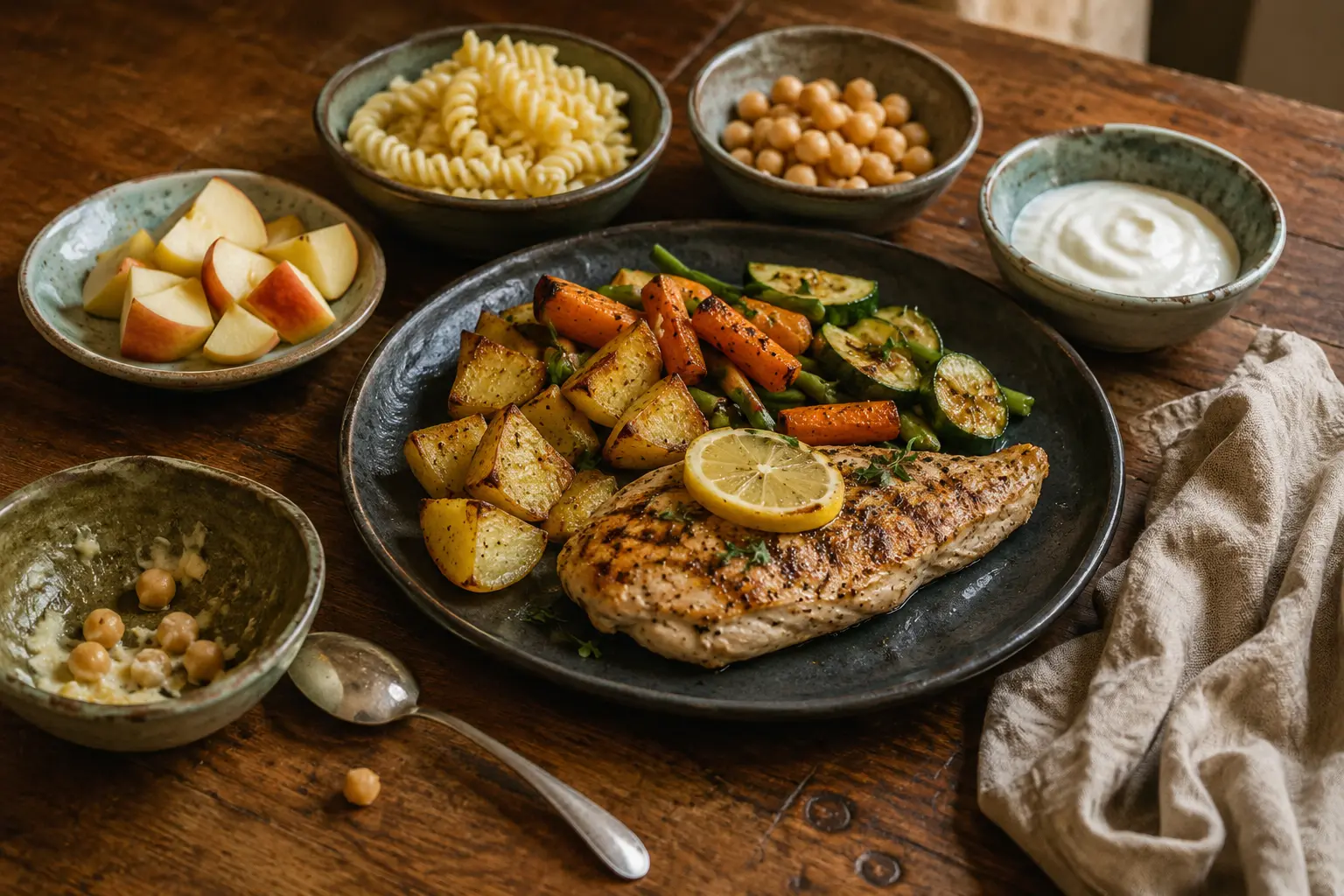
The restrictive phase is meant to be temporary. The real goal is putting tolerated foods back on the table.
Read the guide ↗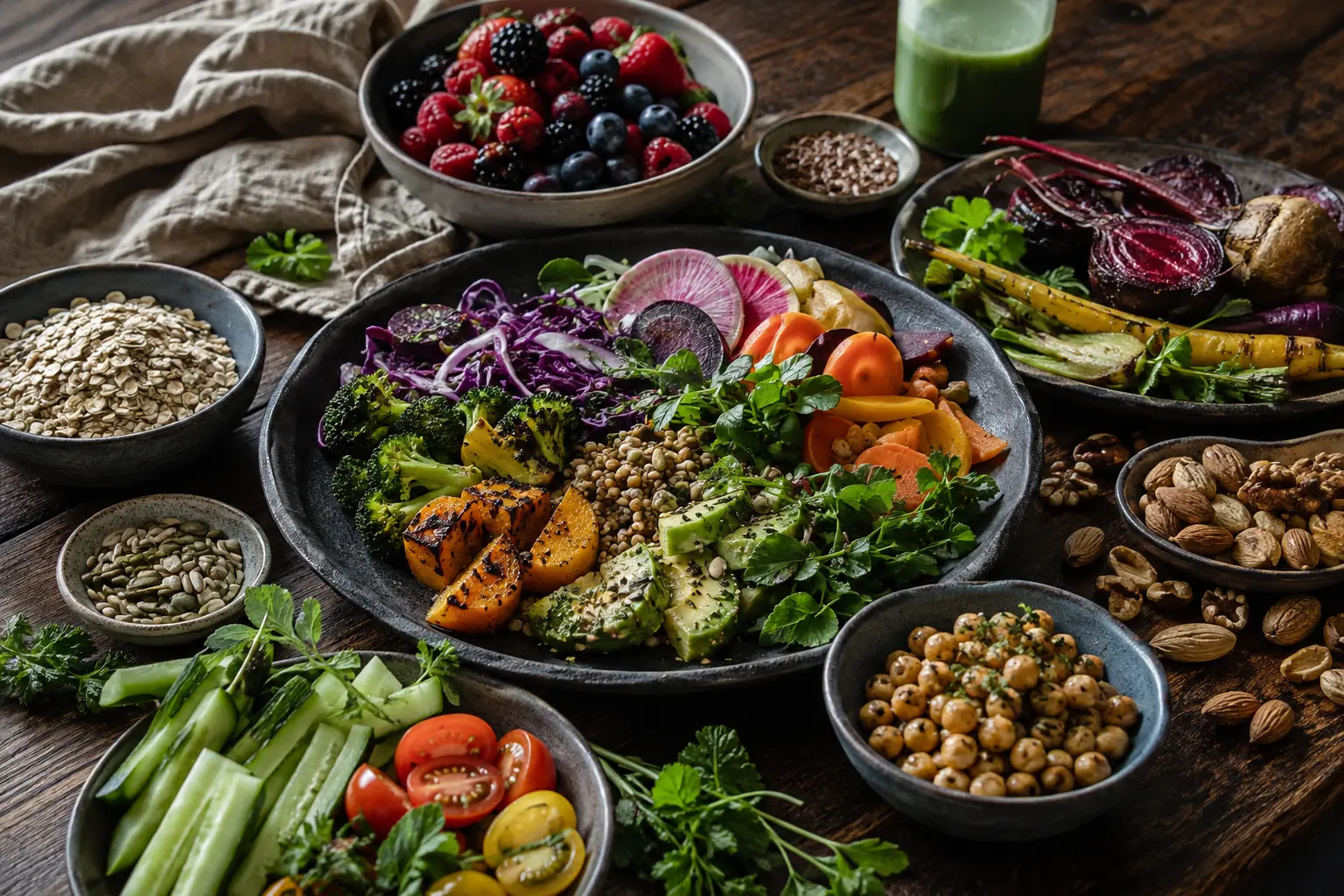
A neon bottle cannot rescue a diet built from the same five foods. Diversity is less glamorous and more useful.
Read the guide ↗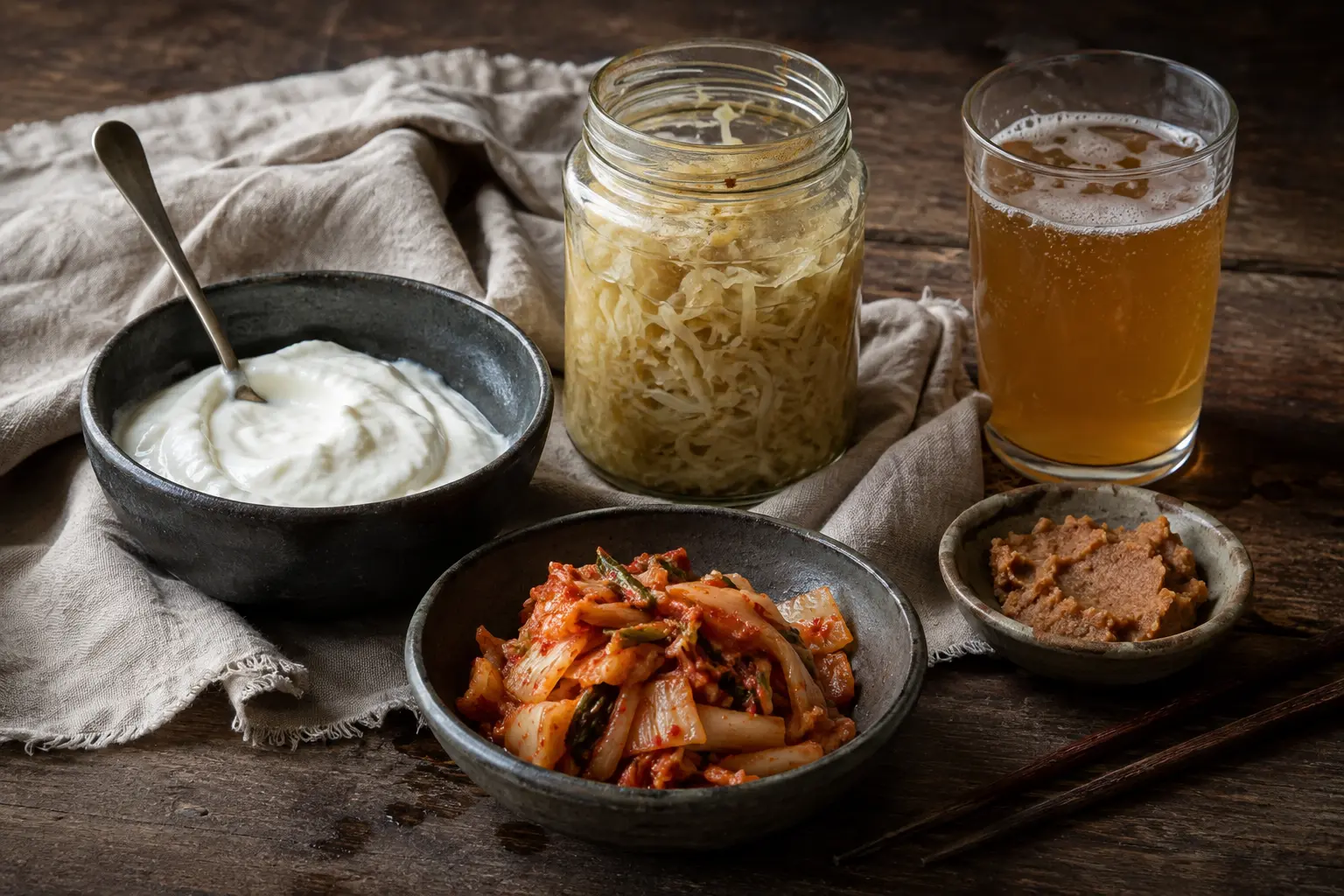
Kimchi, yoghurt, kefir and miso can earn a place. None of them can perform a miracle on a poor diet.
Read the guide ↗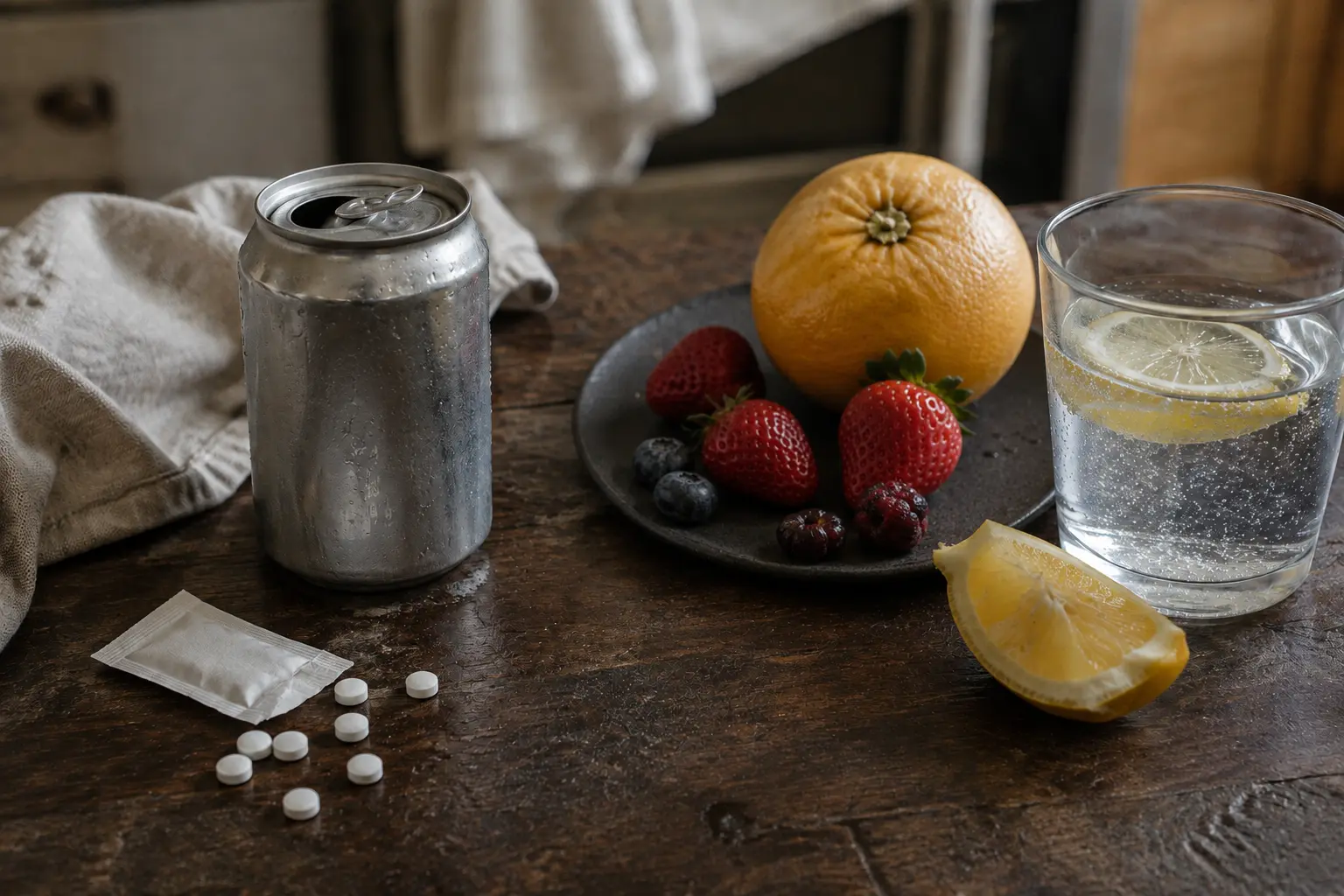
Removing sugar can be useful. Replacing every sweet hit with another intensely sweet product misses the bigger job.
Read the guide ↗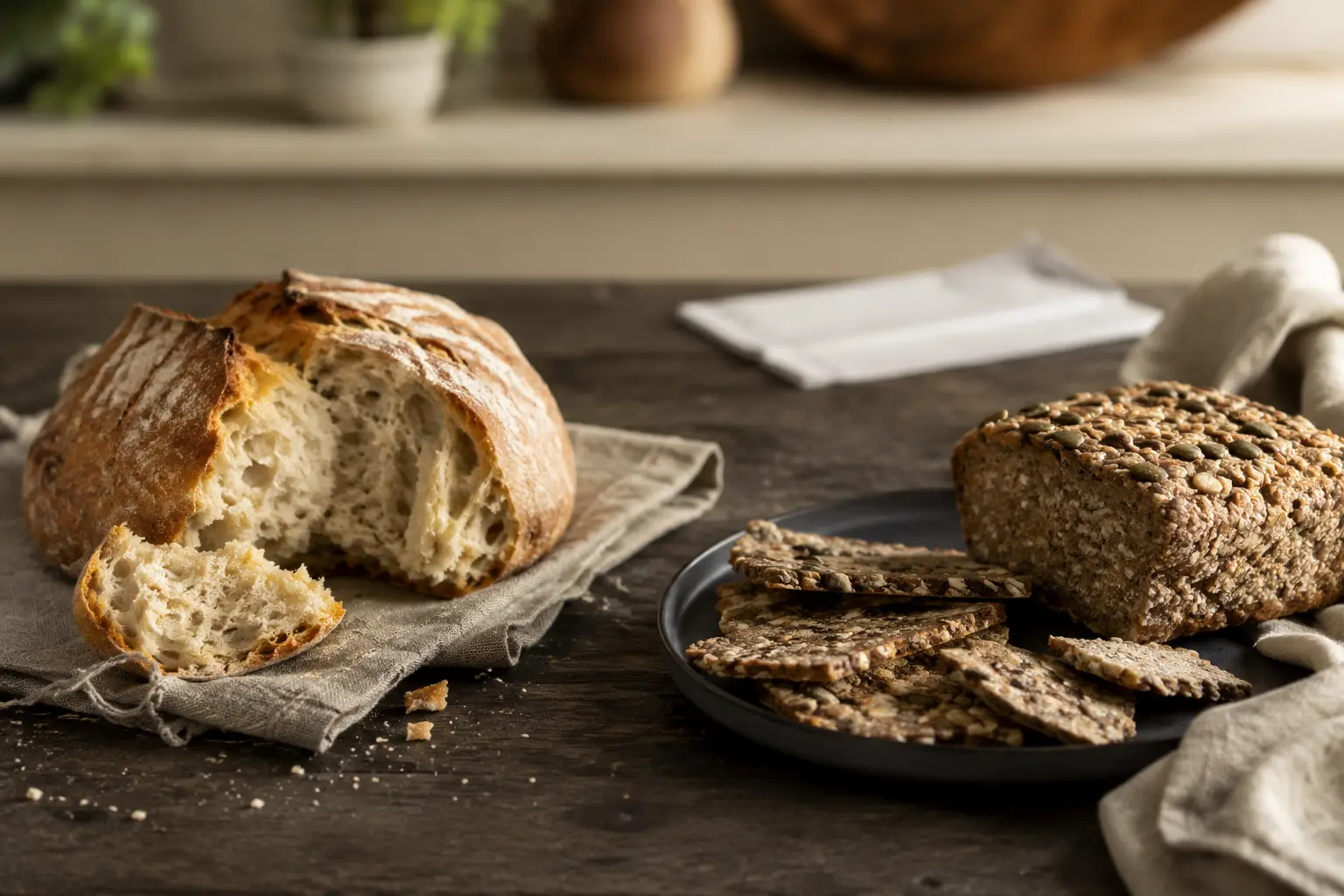
If coeliac disease is possible, removing gluten first can make the investigation harder. Test before the pantry purge.
Read the guide ↗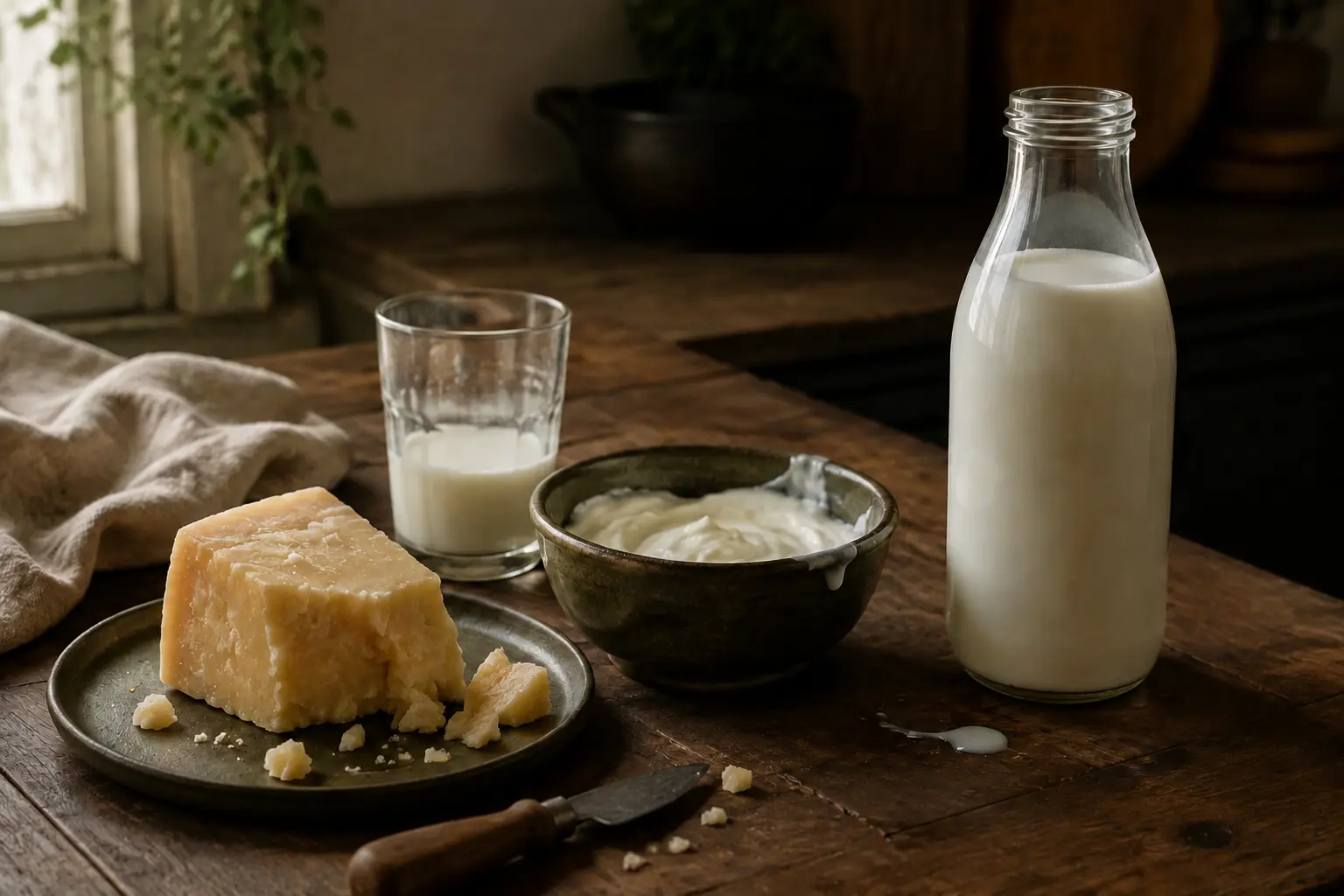
You can react to lactose without needing to abandon every cheese, yoghurt and milk product on earth.
Read the guide ↗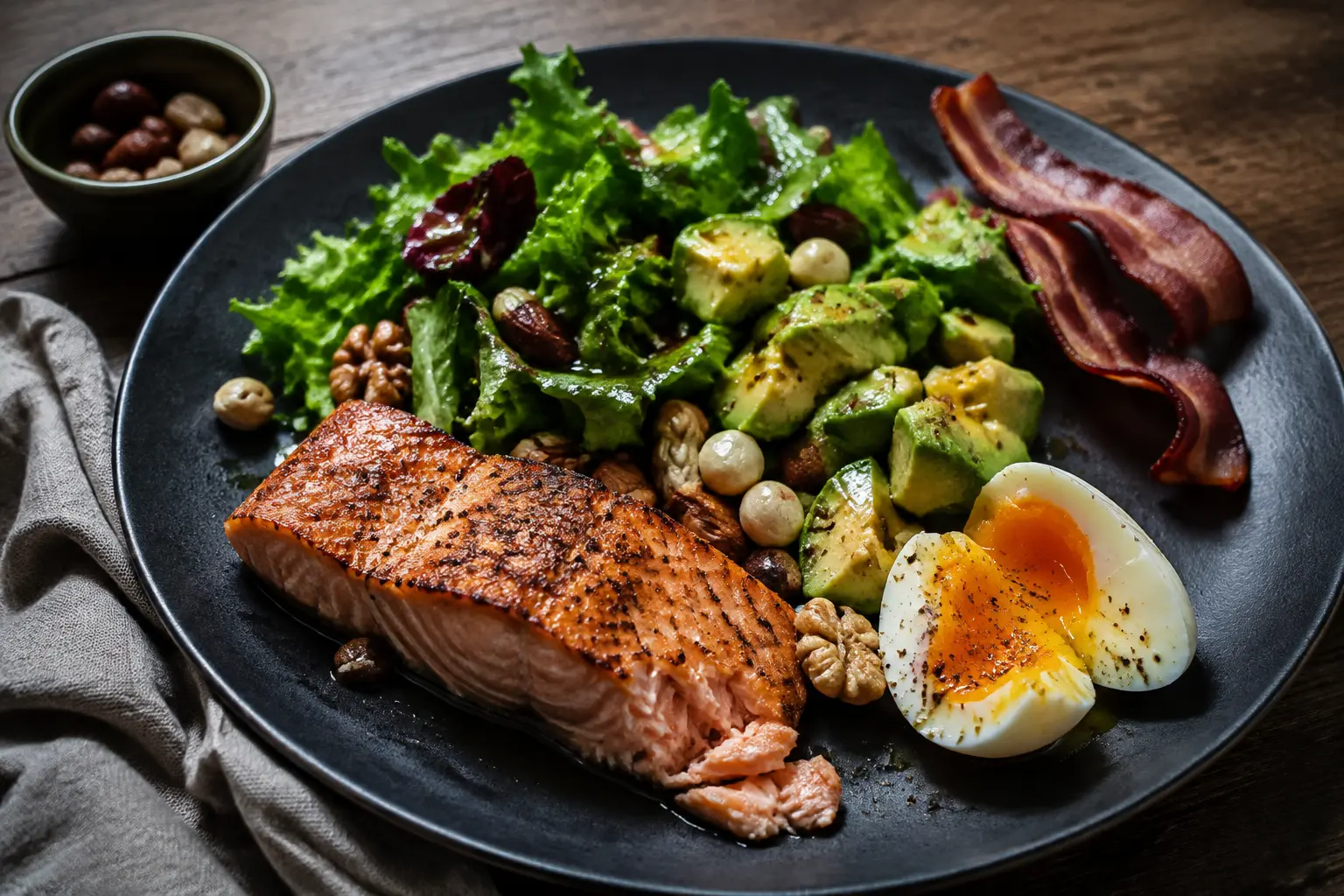
Low carb describes the carbohydrate. It does not require every meal to swim in processed meat and butter.
Read the guide ↗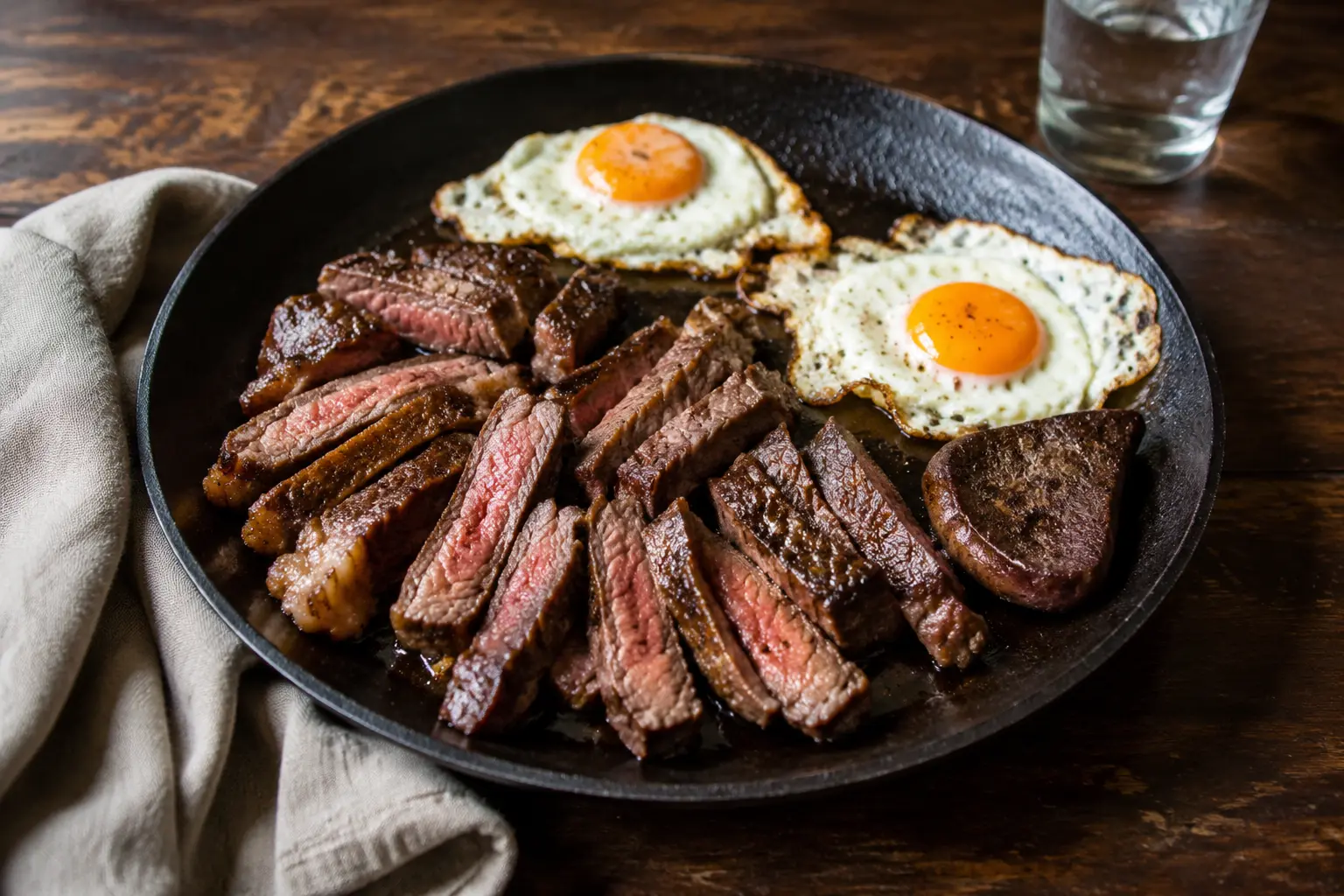
Some people report feeling better. That does not remove the unanswered questions or the need to monitor what happens next.
Read the guide ↗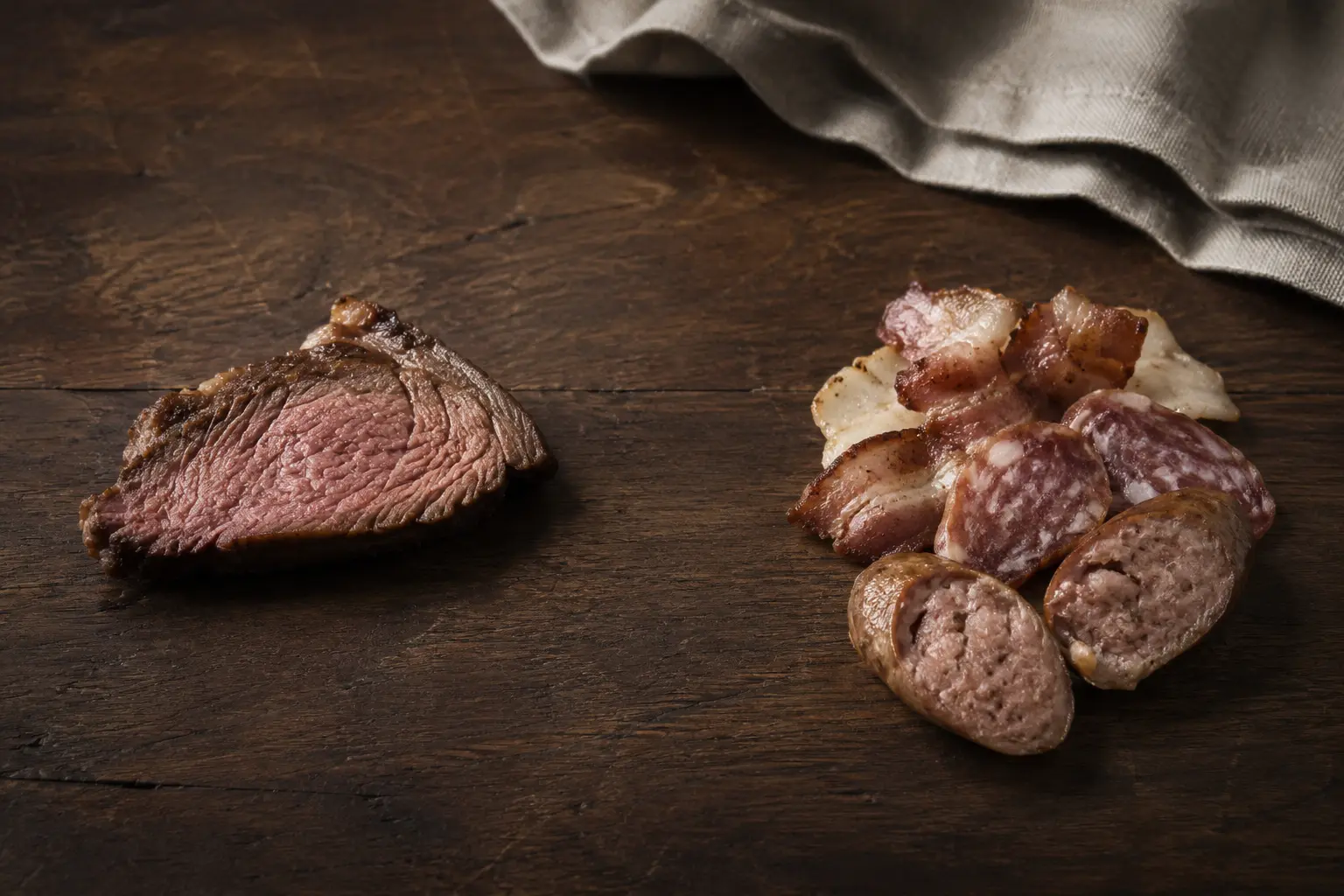
A lean piece of beef and a daily stack of salami are both meat. That does not make their evidence identical.
Read the guide ↗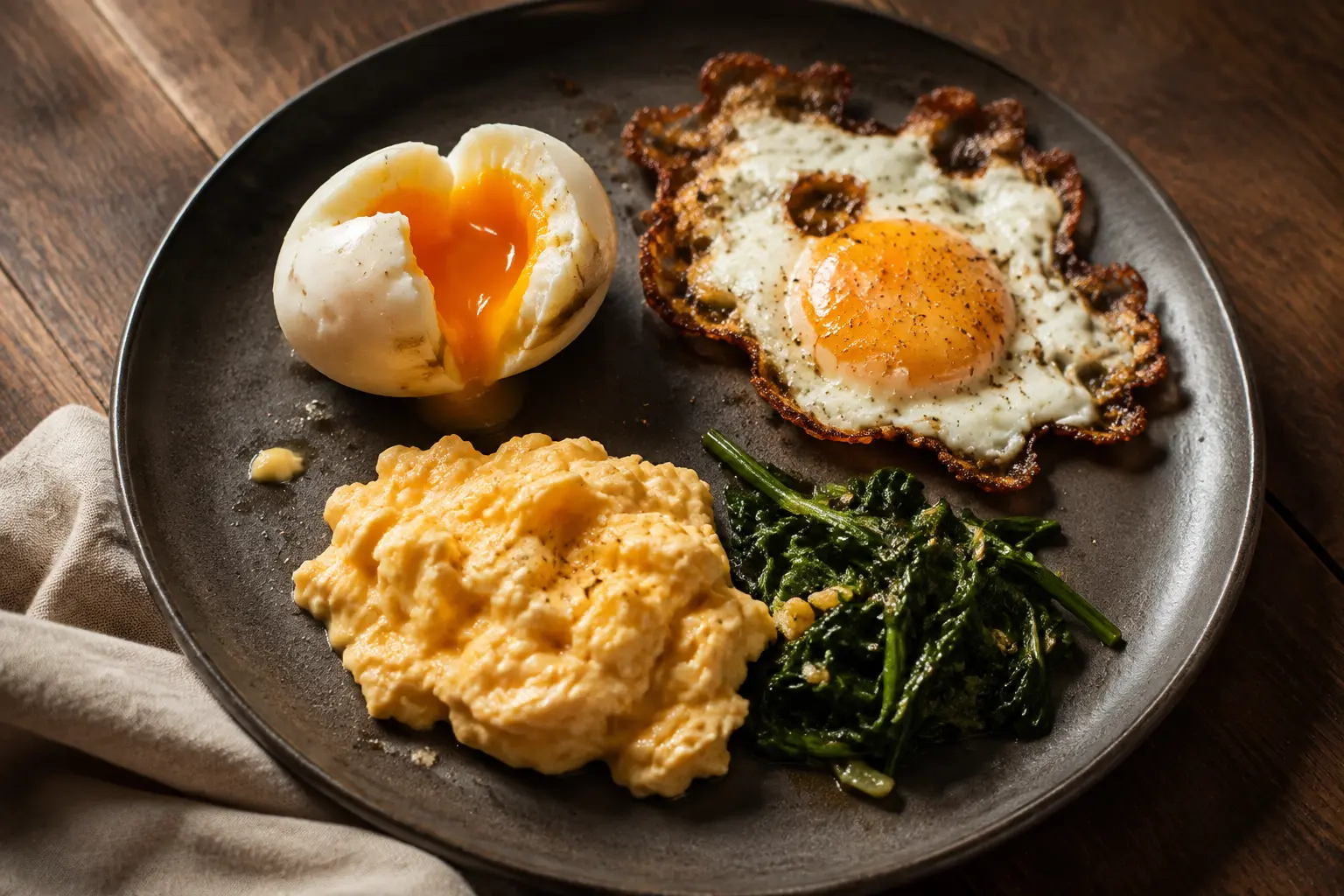
For most people, eggs can sit comfortably in a healthy pattern. Existing heart disease and diabetes change the detail.
Read the guide ↗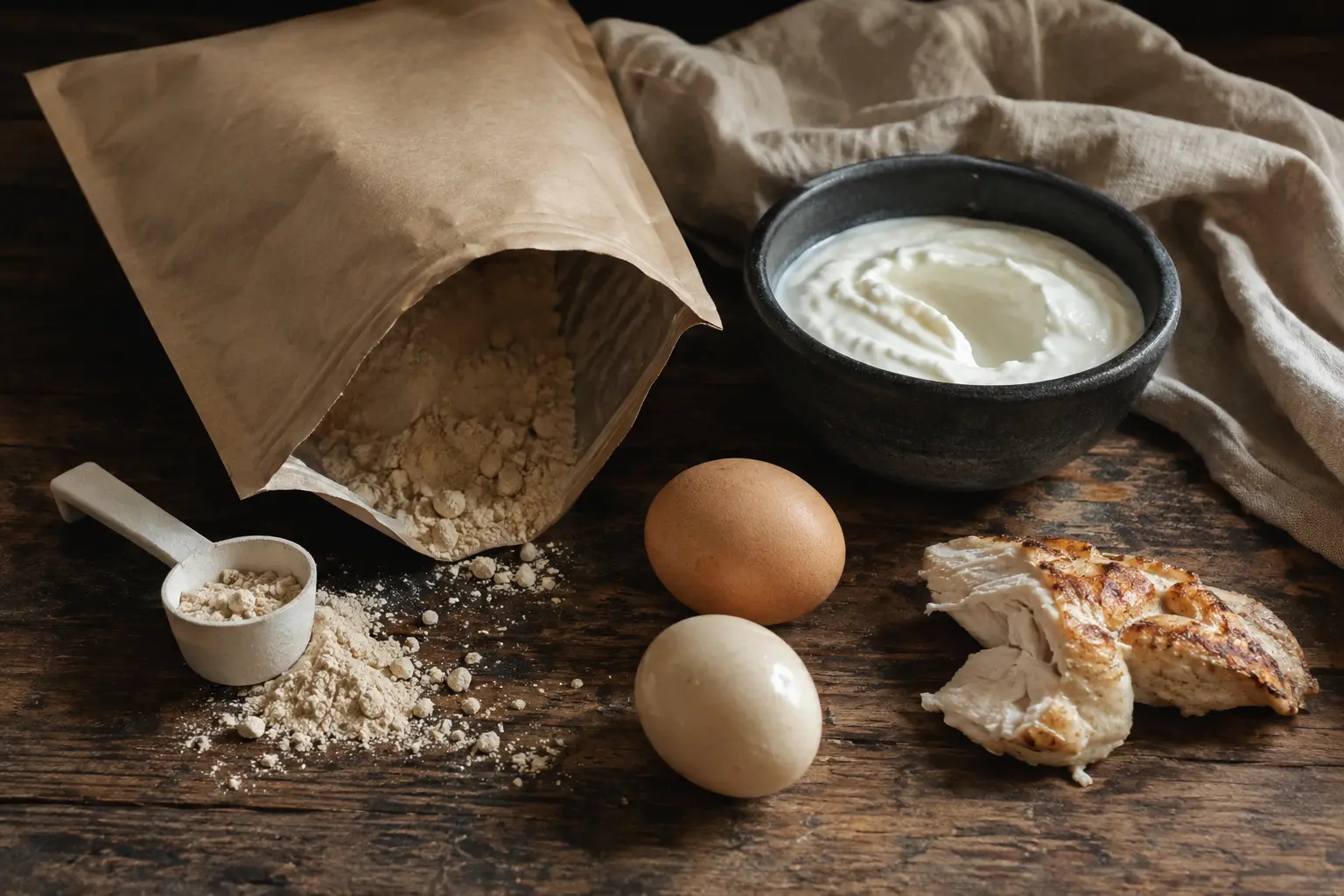
A scoop can solve a practical problem. It does not automatically improve a diet that was missing food.
Read the guide ↗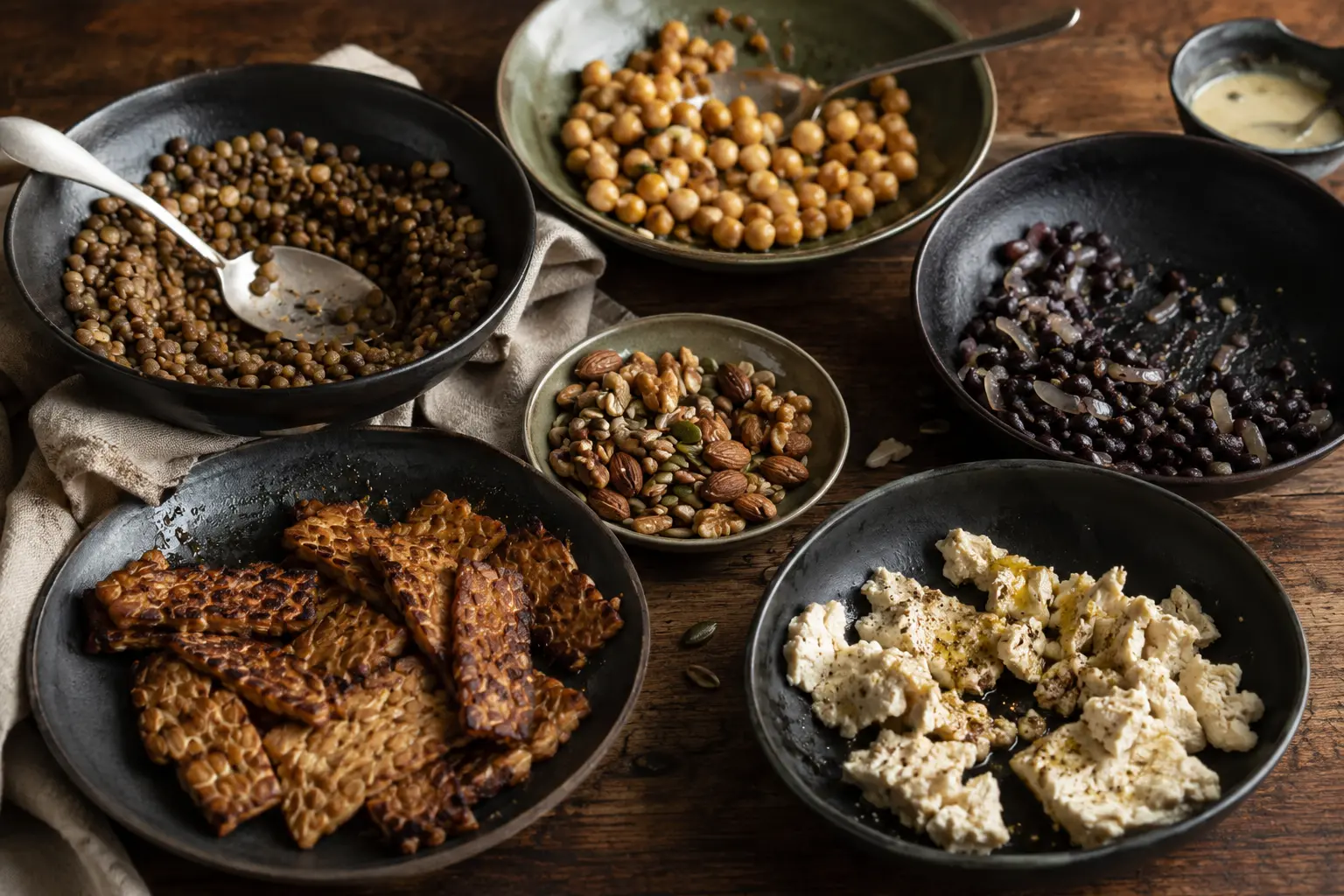
Beans, lentils, tofu and tempeh do not need to impersonate meat before they count as dinner.
Read the guide ↗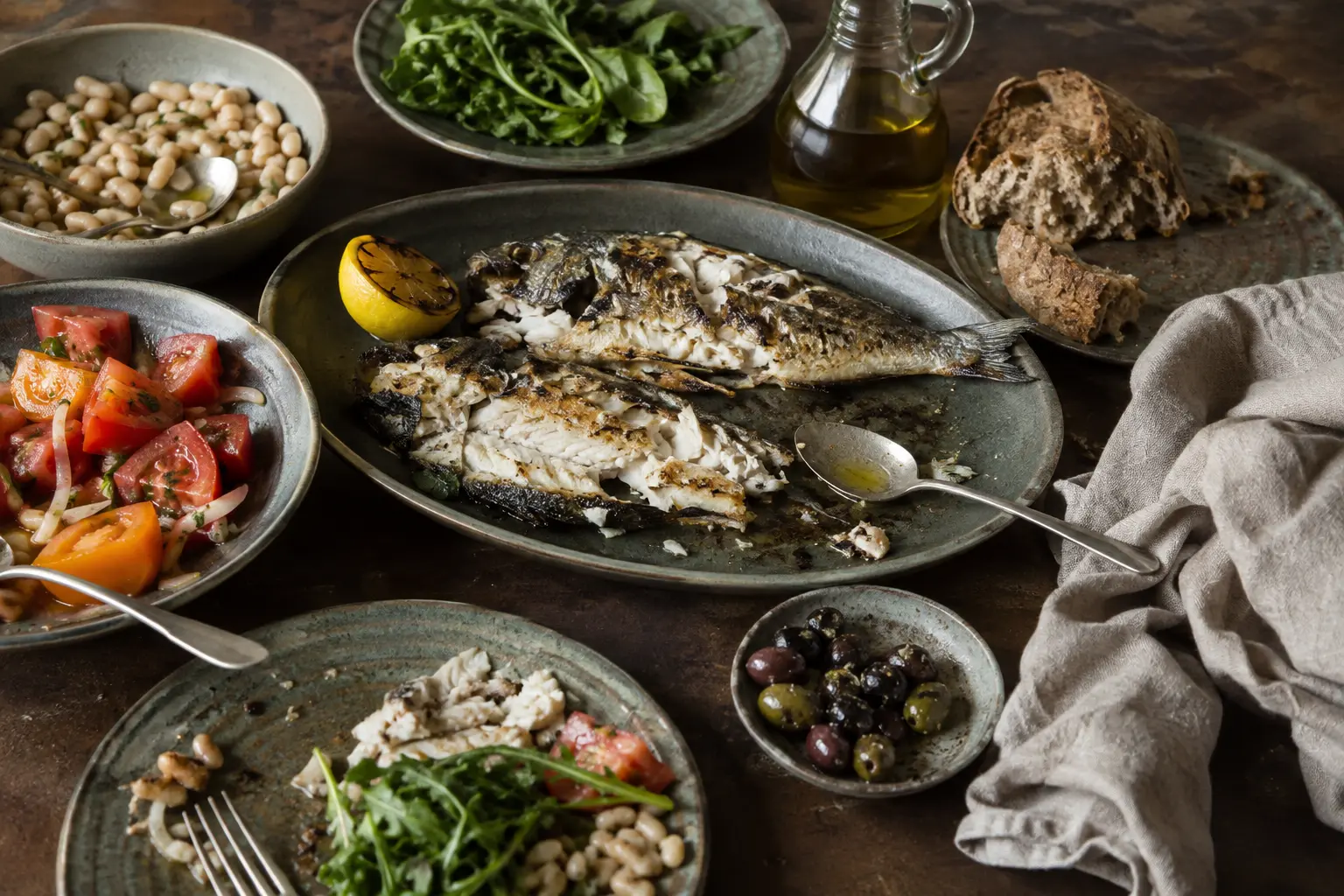
No powders, points or food-group panic. Just an eating pattern built from meals people can keep making.
Read the guide ↗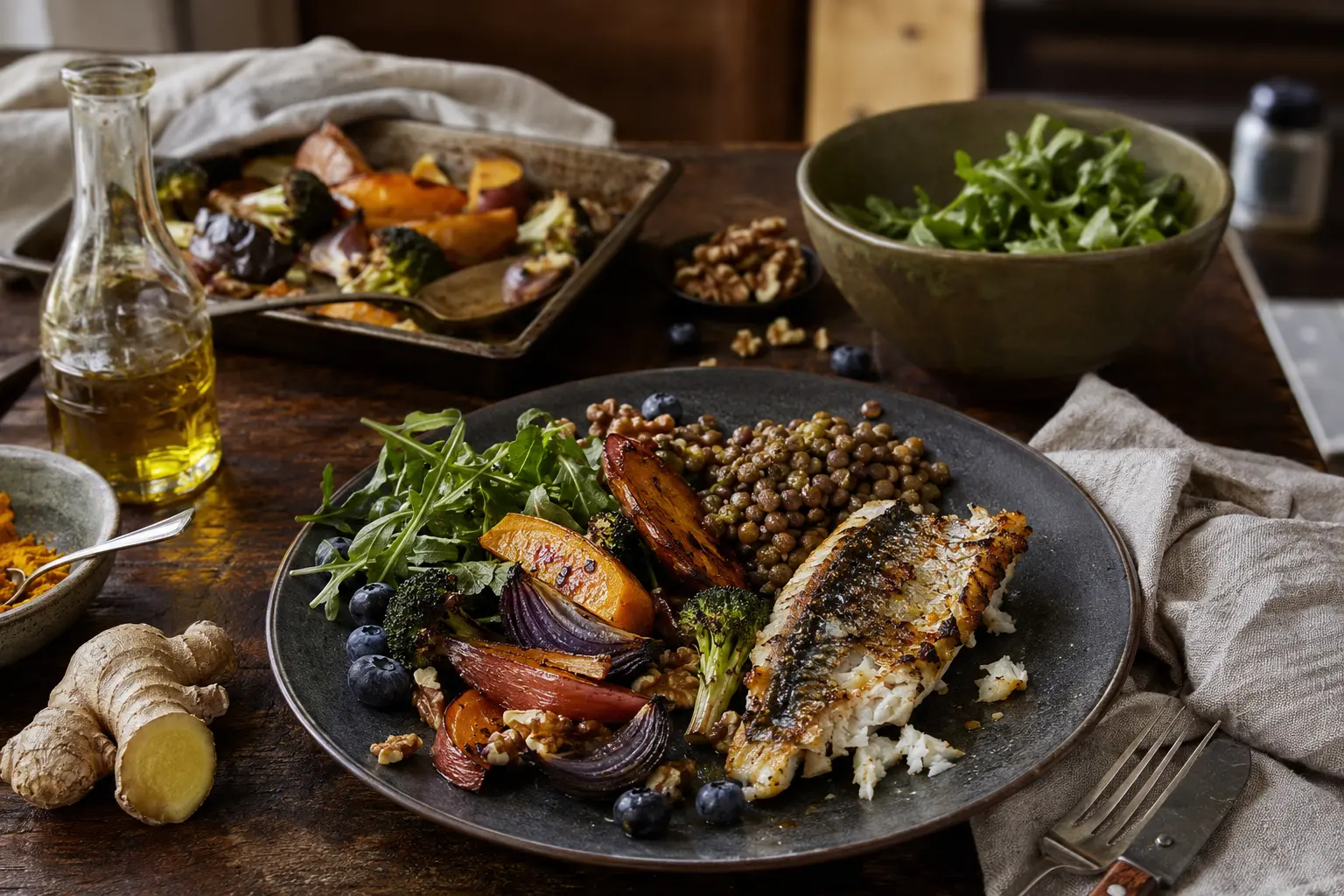
Inflammation is real. A turmeric gummy is not a substitute for the pattern around it.
Read the guide ↗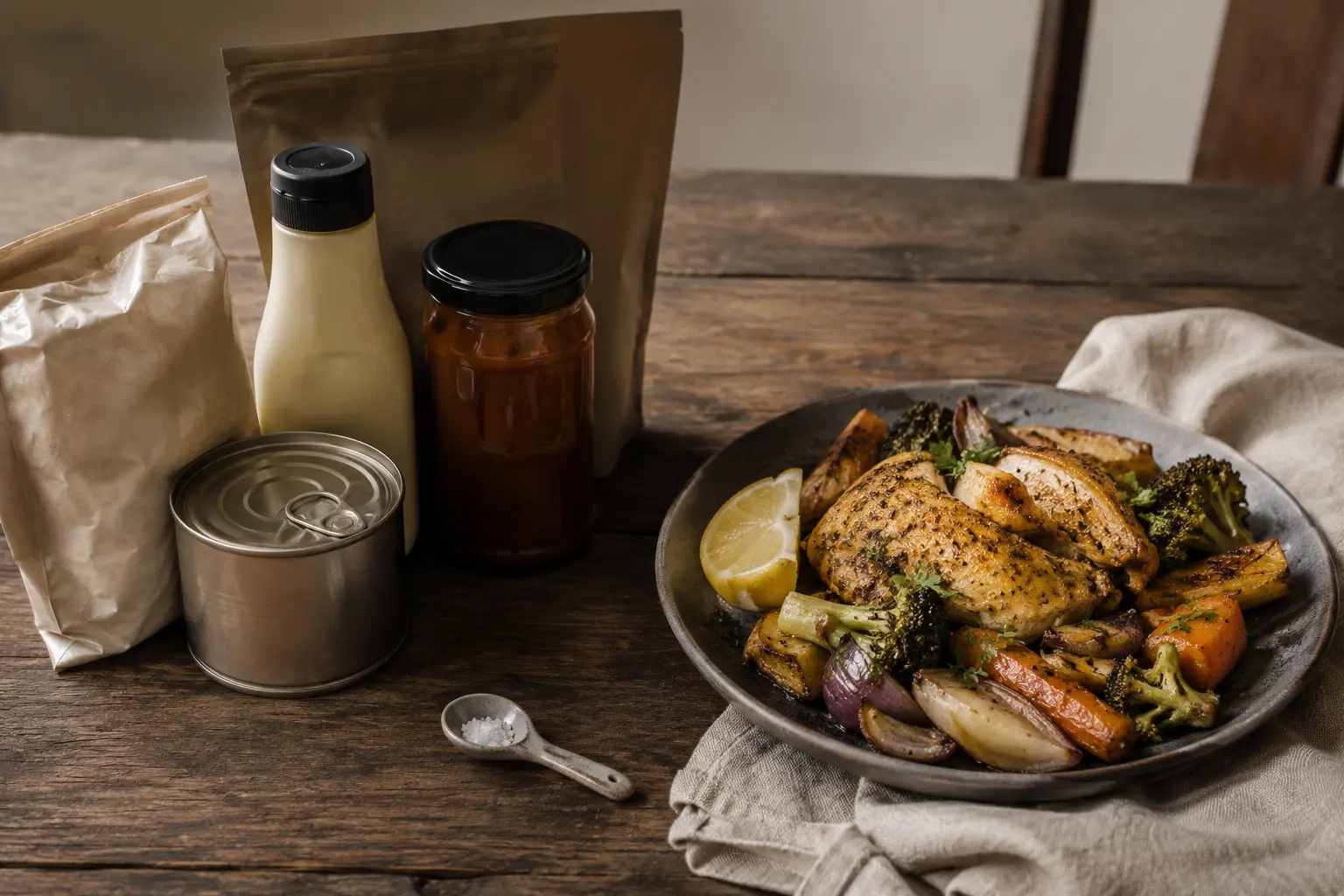
The salt shaker gets blamed because you can see it. Bread, sauces, snacks and ready meals work more quietly.
Read the guide ↗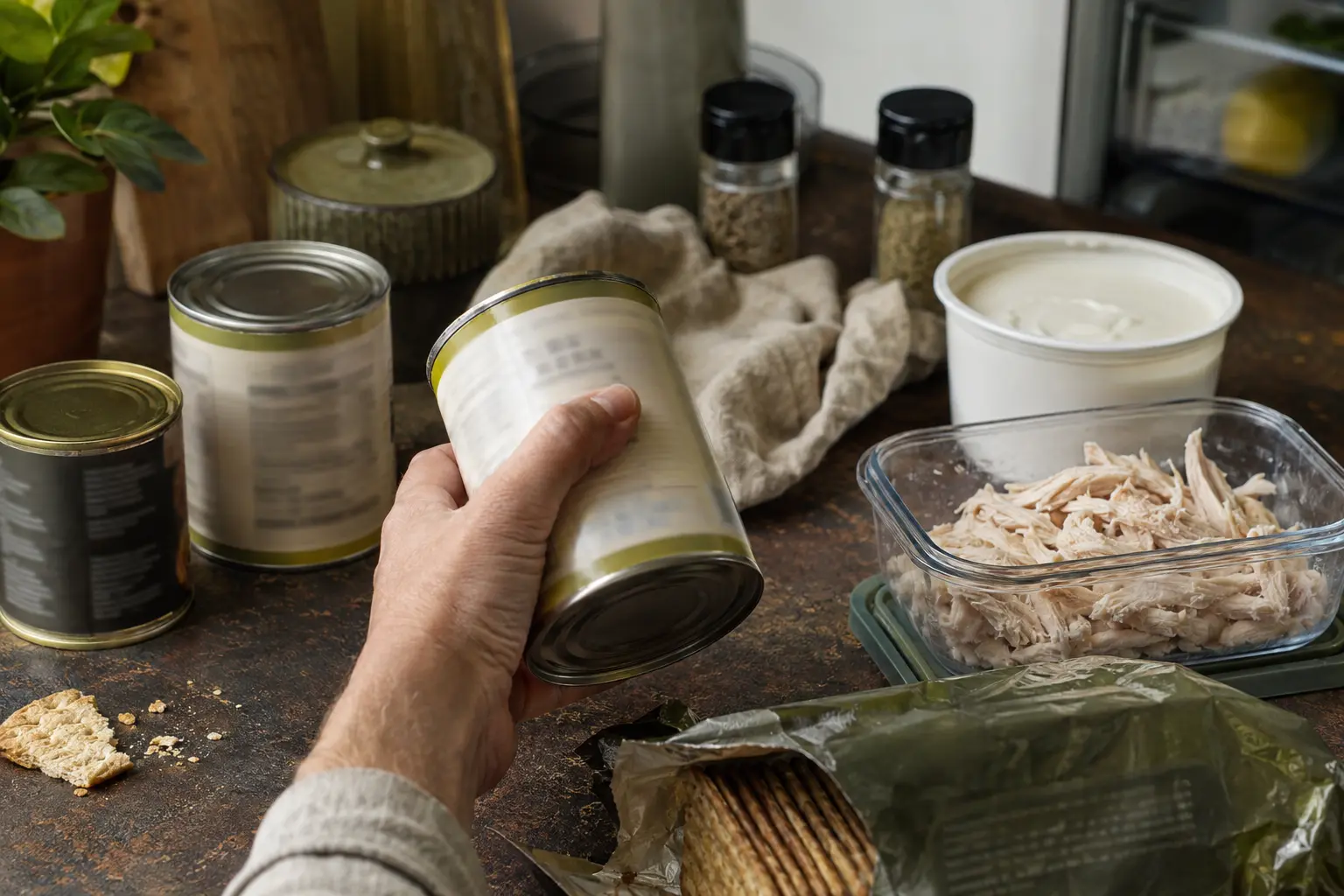
One date talks about quality. The other talks about safety. Mixing them up wastes food or risks illness.
Read the guide ↗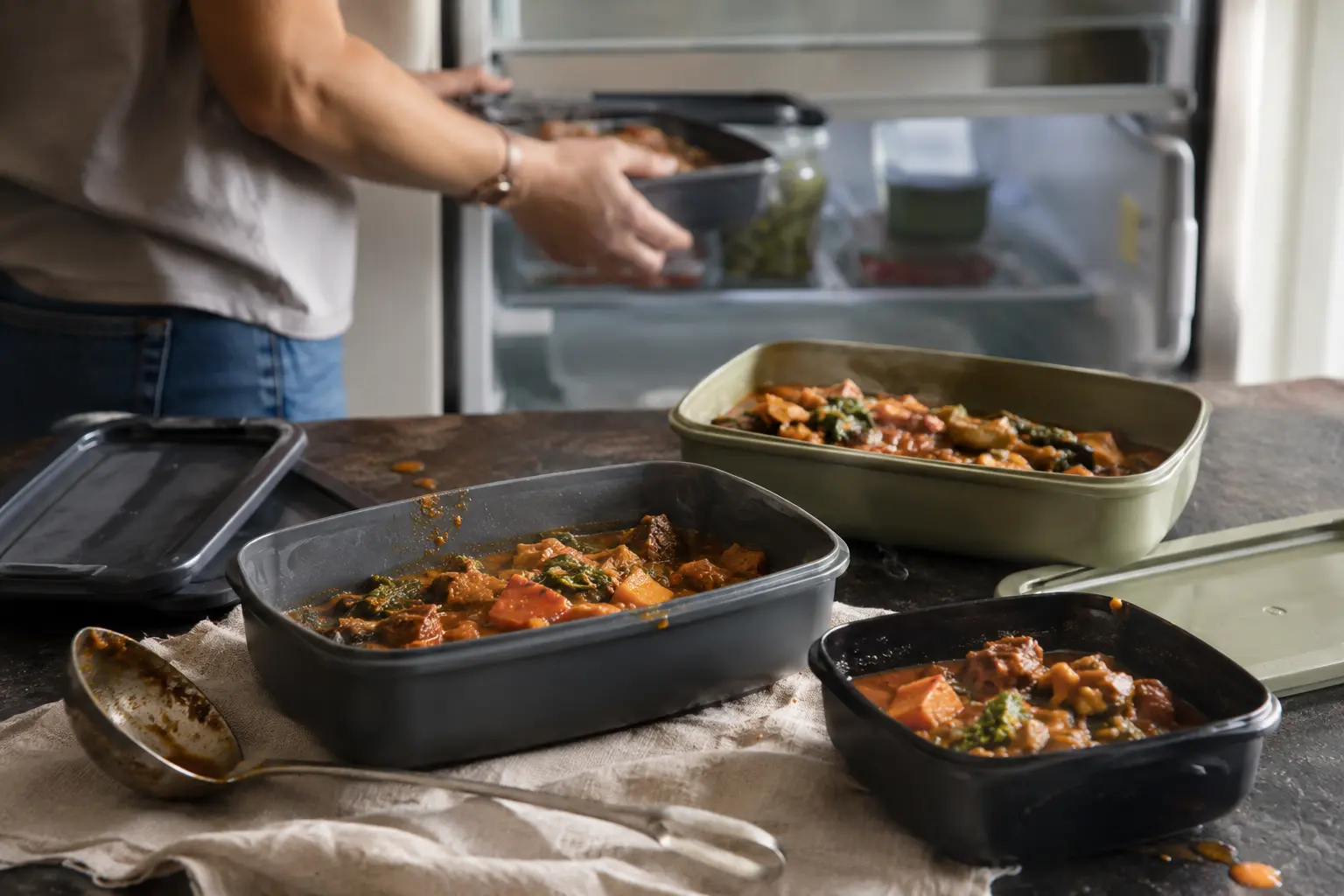
Meal prep is only clever when the food survives the journey from hot pan to cold fridge safely.
Read the guide ↗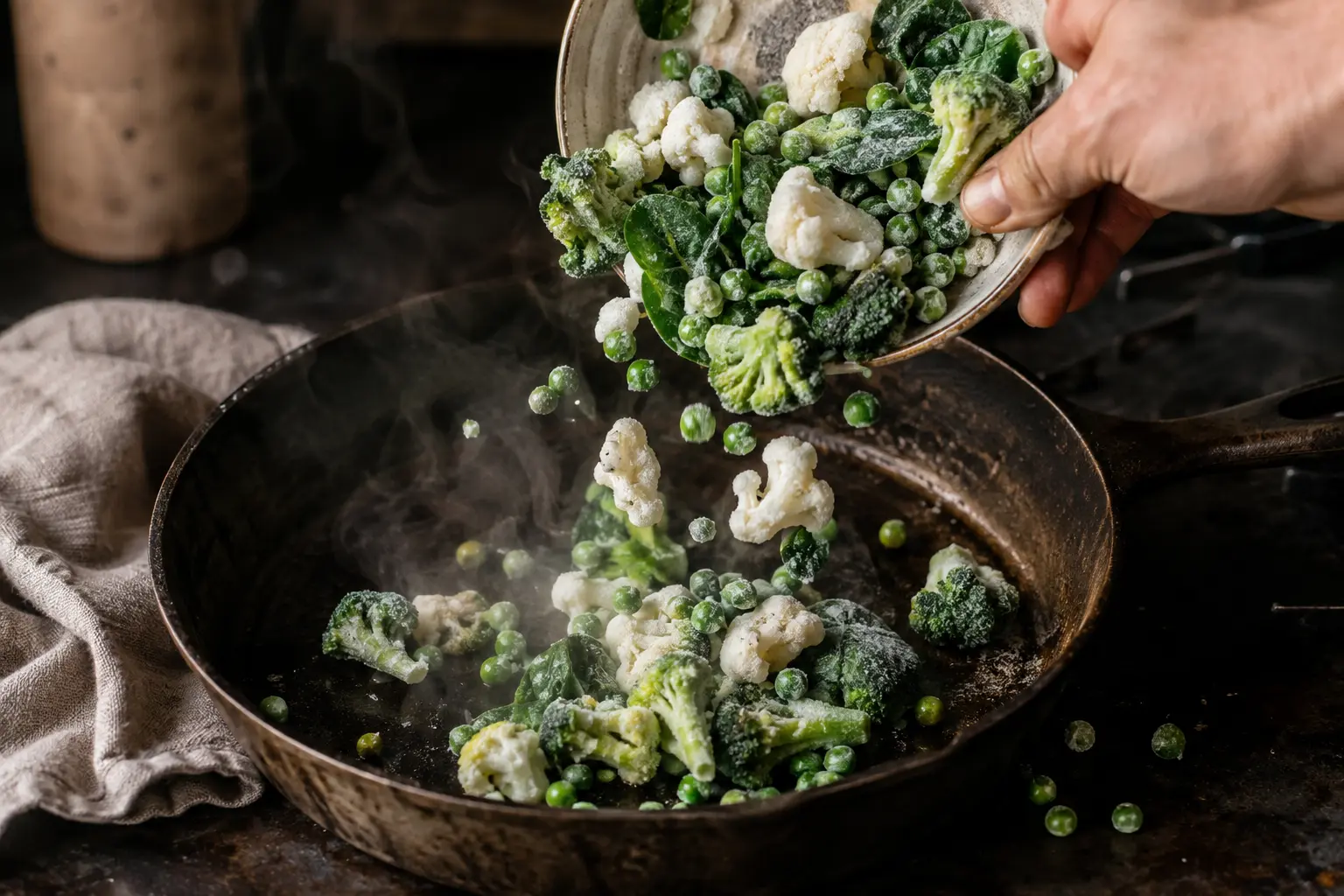
The freezer is not cheating. It is often the reason vegetables make it into a busy Tuesday dinner at all.
Read the guide ↗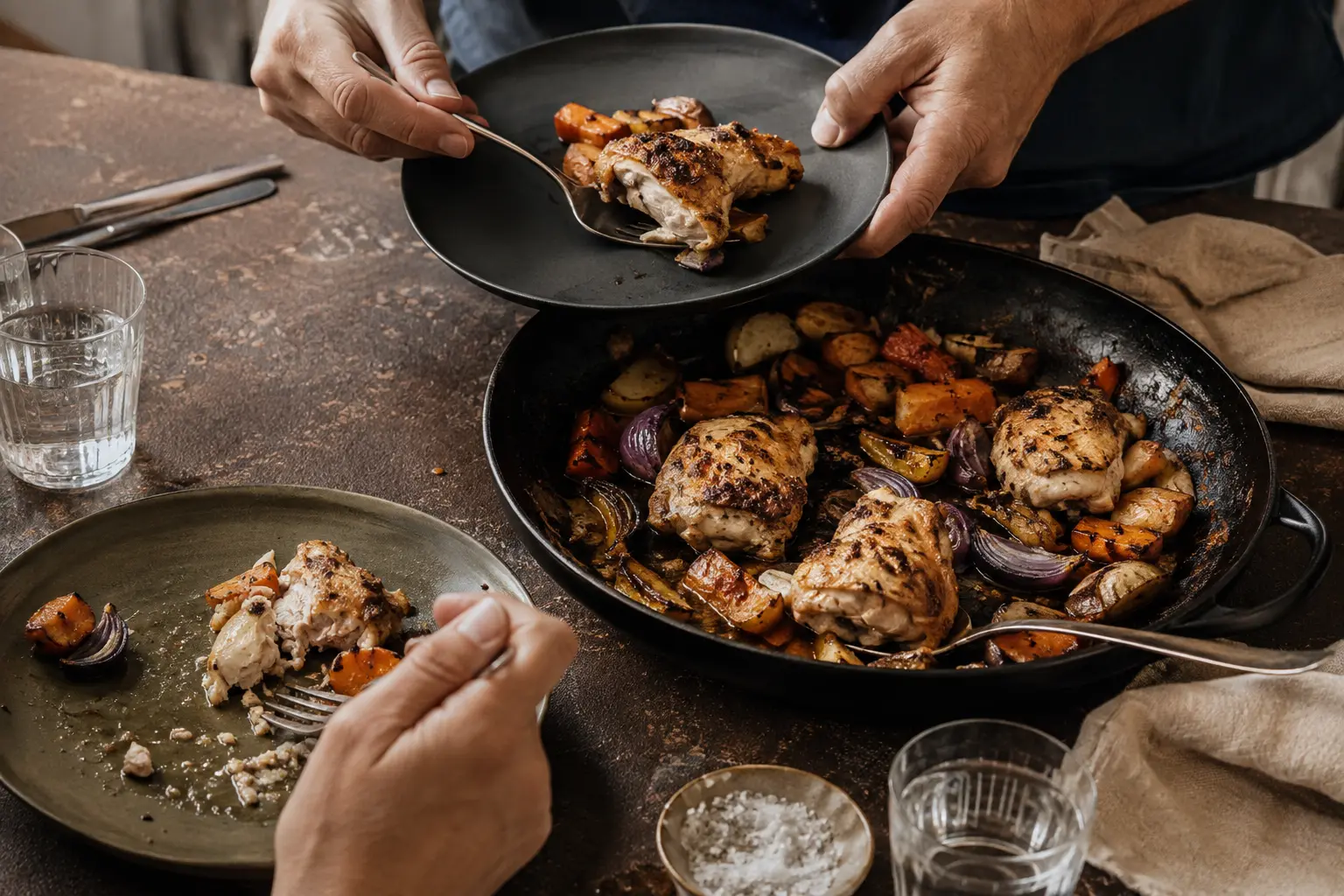
You do not need a perfect meal plan. You need a few ingredients, repeatable skills and dinner made more often than it is delivered.
Read the guide ↗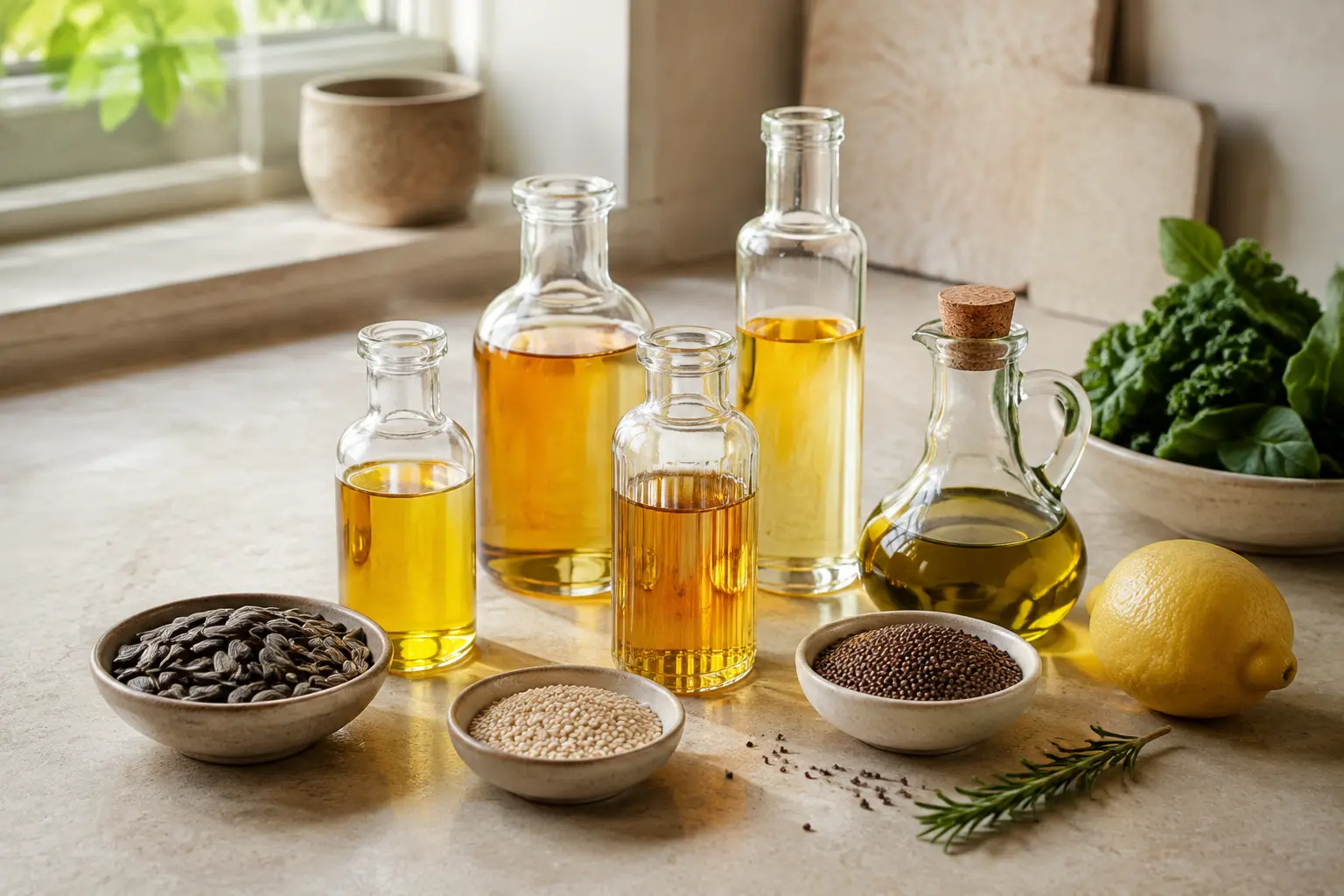
The internet made cooking oil a culture war. Your dinner does not need one. Here is the useful bit.
Read the guide ↗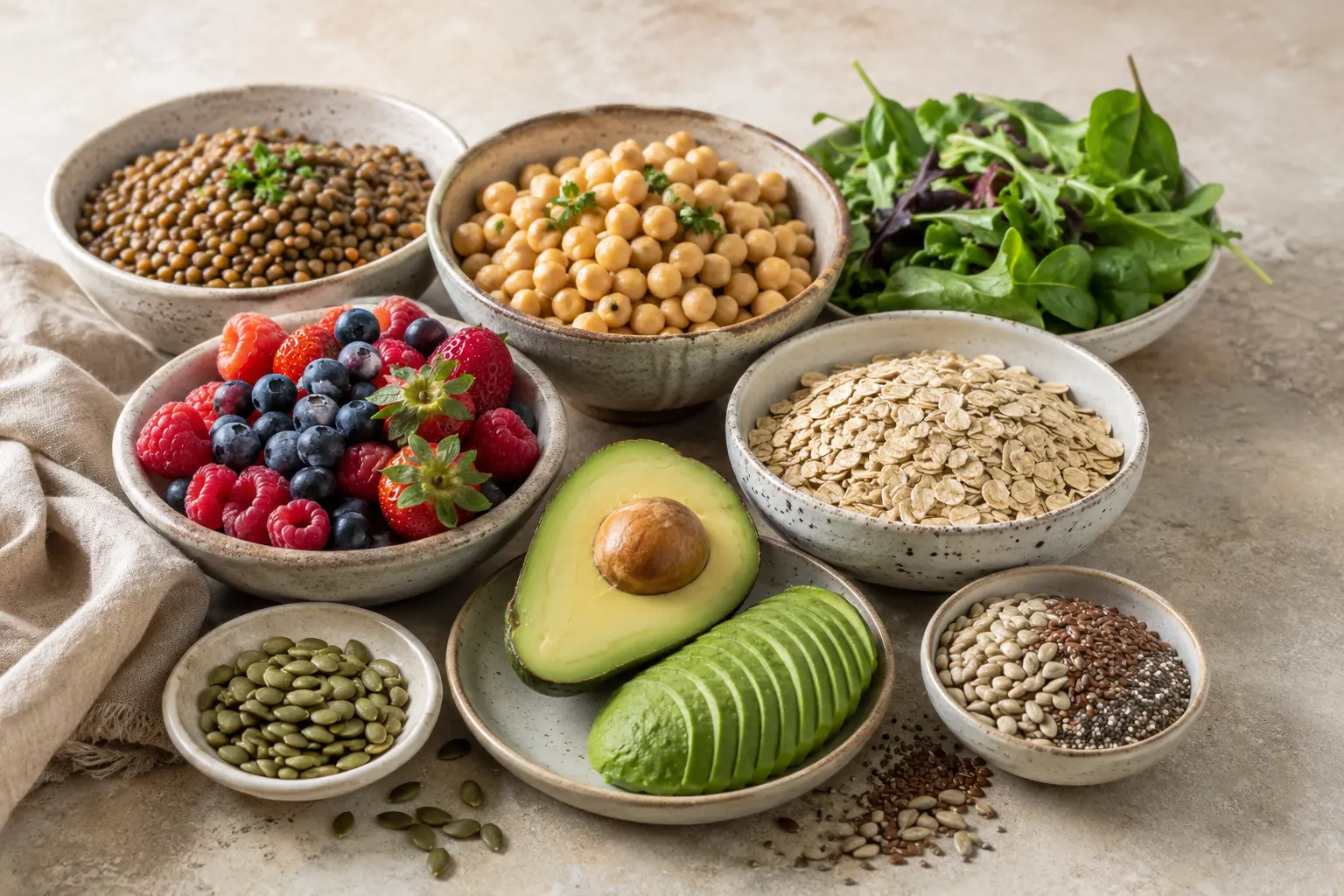
Your gut does not need a miracle powder. It needs more real plants, more variety and a bit of patience.
Read the guide ↗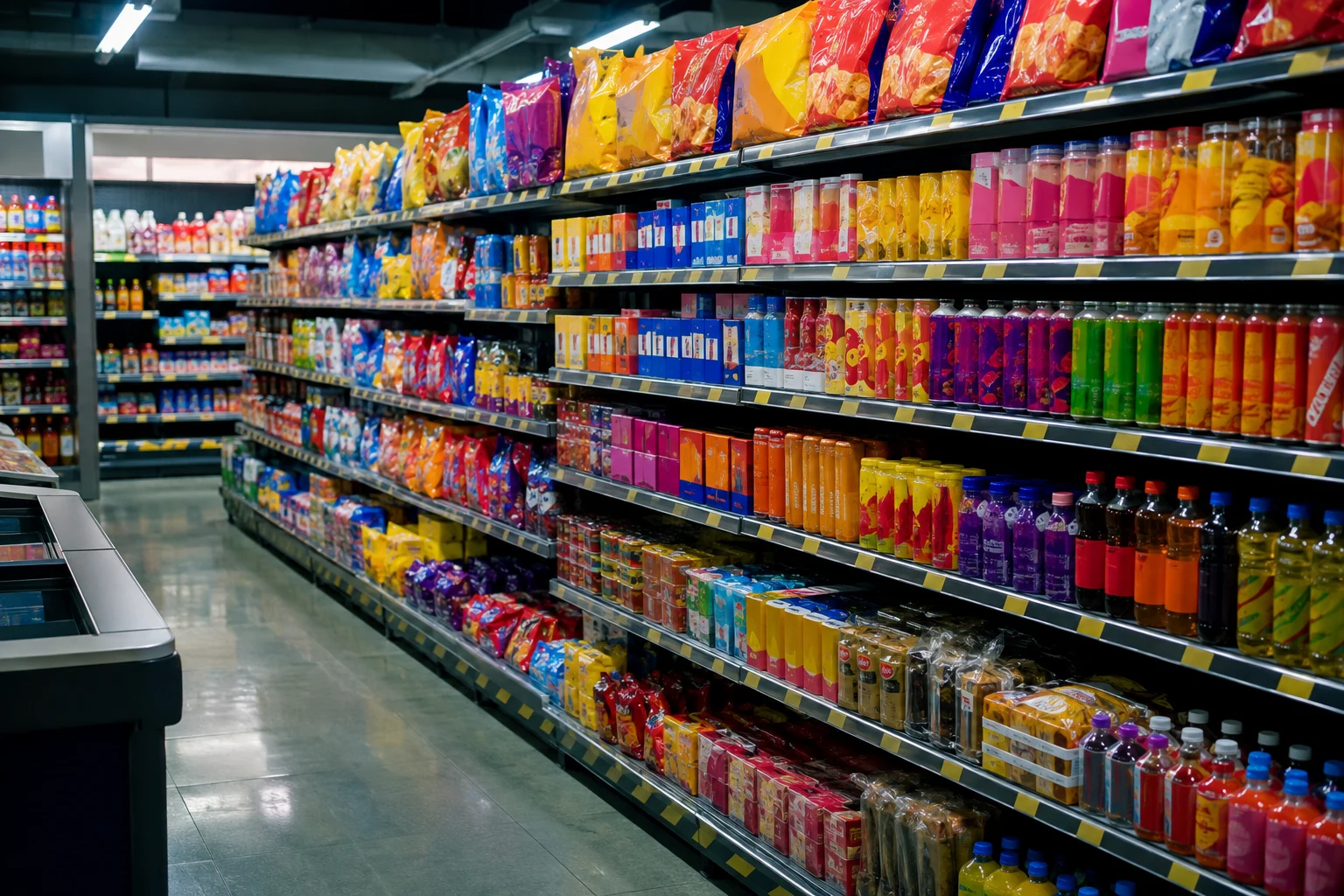
If it looks more like a laboratory formula than food, it should not be running your diet. Here is how to spot the difference.
Read the guide ↗Join the TooGut table for practical guides and flexible recipes worth saving.