
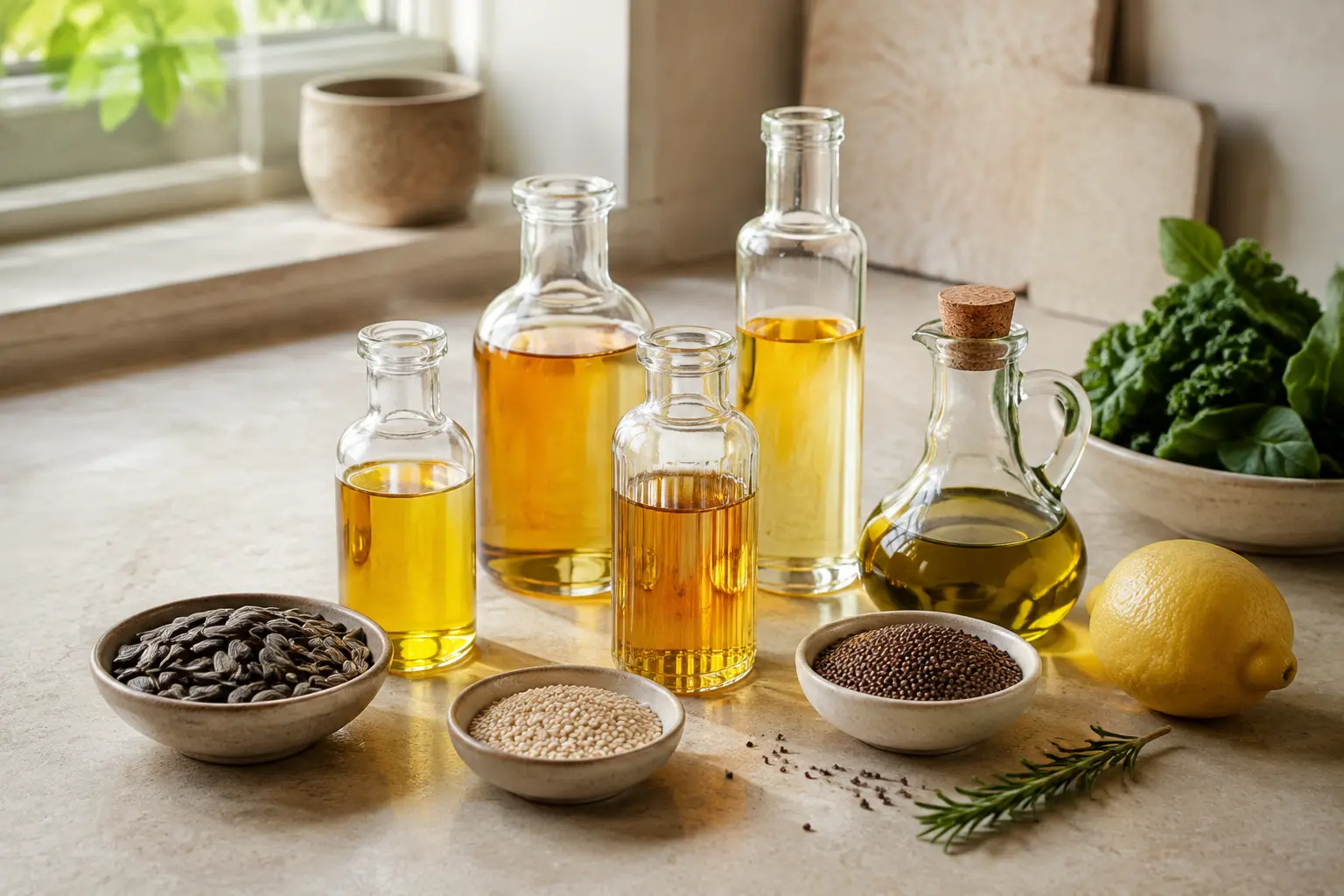
First, what counts as a seed oil?
Seed oil is a catch-all label for canola, sunflower, soybean, sesame, grapeseed and rice bran oils. They are made differently, taste different and behave differently under heat, so pretending they are one identical chemical villain is lazy thinking.
Most are rich in unsaturated fats. That does not make every highly refined bottle a health food, but it does mean a spoonful used to cook real vegetables is not comparable with an industrial snack built from refined starch, flavour dust and a long shelf life.
The claim that omega-6 is automatically inflammatory
Omega-6 fats are essential, meaning your body needs them from food. Current Heart Foundation guidance says they are not automatically inflammatory when eaten as part of a balanced diet. That is the fact, minus the social-media theatre.
The useful question is where the oil turns up. A little in a pan of home-cooked food is one thing. A diet full of deep-fried takeaway, packaged snacks and factory-made meals is another. Context matters more than one scary ingredient name.
A tablespoon used to roast vegetables is not the same thing as eating from a crinkly packet every afternoon. Context beats outrage.
How to choose in your kitchen
Extra virgin olive oil is a brilliant default for dressings, roasting and everyday cooking. Neutral oils can still earn a place when you do not want the flavour to dominate. You do not need twelve bottles or a purity ritual.
Buy a size you will actually use, store it away from heat and light, and never keep reheating tired oil. Then put your energy into the meal: fresh produce, decent protein, herbs, spices and food made in your own kitchen.
Where this comes from
We favour recognised Australian health bodies, research-led institutions and primary public-health sources.