
Gut health became a sales pitch
The microbiome is genuinely fascinating, which made it perfect for marketing. A complicated ecosystem can now be reduced to a can of fizzy drink, a daily powder or a breathless promise to reset your gut by Monday. The language sounds scientific while the product often remains sweetened, flavoured and remarkably expensive water.
No single food can compensate for a diet that lacks variety. The World Health Organization's updated healthy-diet guidance centres diversity alongside adequacy, balance and moderation. That is less dramatic than a detox, but it is a much sturdier place to start.
Different plants bring different jobs
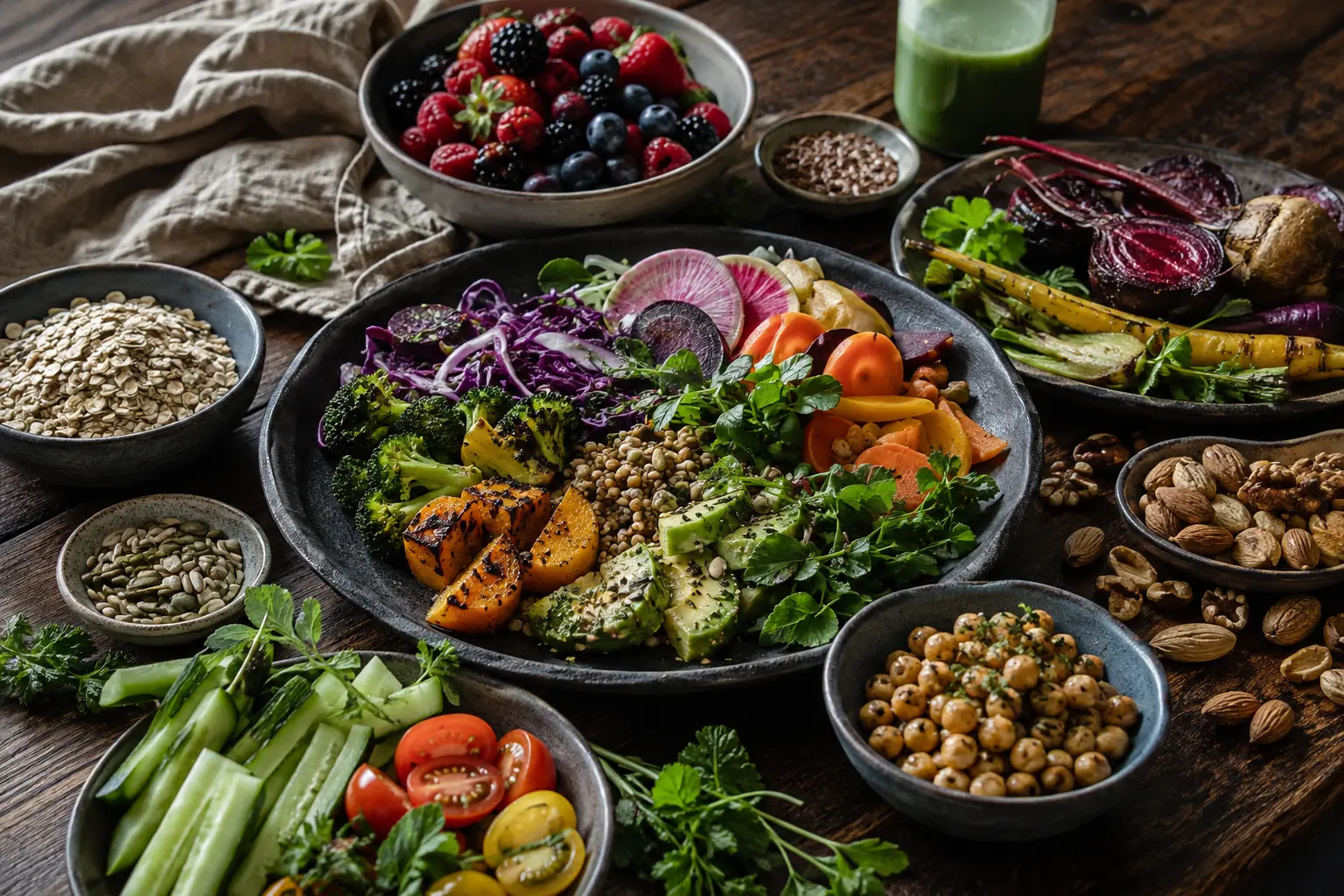
Oats, lentils, berries, leafy vegetables, onions, seeds and nuts do not all deliver the same fibre. Some hold water, some add bulk, and some are fermented by gut microbes. Plant foods also bring polyphenols, vitamins and minerals in different combinations.
You do not need to chase an internet-perfect number or cram thirty plants into Sunday night. Rotate the vegetables you buy, use two types of beans across the week, change the fruit in breakfast and keep herbs, seeds and frozen produce doing small supporting jobs. Variety accumulates.
Your microbiome does not need a branded personality. It needs regular food, reasonable variety and time.
Sensitive guts still count
More variety does not mean forcing foods that trigger pain. IBS, inflammatory bowel disease, coeliac disease and other conditions change what is safe or comfortable. Increase fibre gradually, use low FODMAP versions where appropriate and get individual advice when symptoms are persistent.
The useful move is to expand within your tolerance. Three vegetables you digest well are a better base than twenty ingredients that leave you frightened of dinner. Build from what works, then test the edges carefully instead of handing your gut over to a bottle with excellent branding.
Where this comes from
We favour recognised Australian health bodies, research-led institutions and primary public-health sources.