
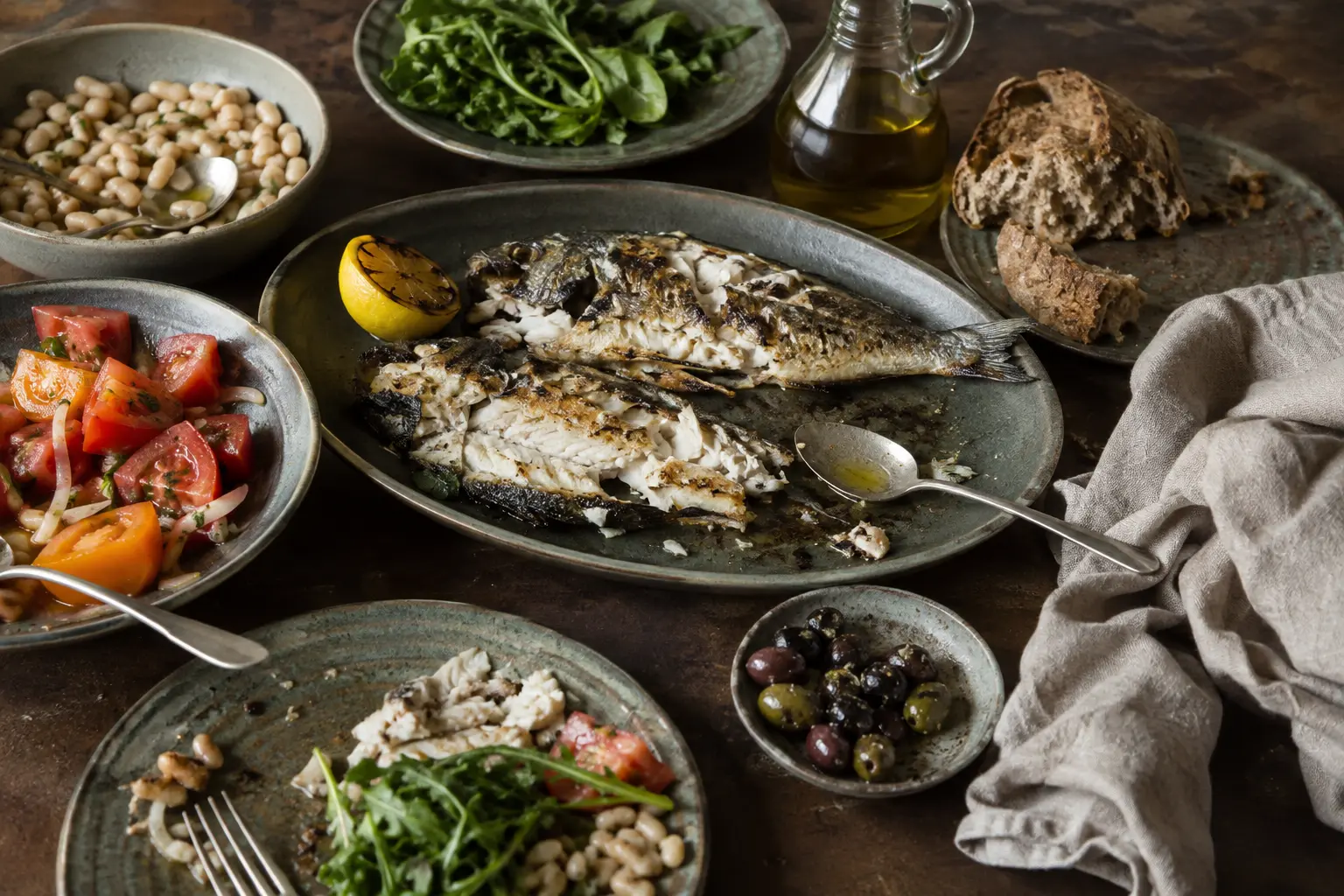
A pattern, not a passport stamp
You do not need to eat beside the Aegean Sea or buy a ceramic bottle of oil with a family crest. Mediterranean-style eating describes a broad pattern found across different cultures: plenty of vegetables and legumes, wholegrains, nuts, seeds, olive oil, seafood, moderate dairy and less processed meat and confectionery.
Its strength is the combination. Fibre, unsaturated fats, protein, micronutrients and food variety arrive through normal meals rather than a single superfood carrying the whole promise.
Why it survives real life
Diabetes Australia highlights the Mediterranean diet as balanced and sustainable because it does not remove any of the five food groups. Heart Foundation guidance supports a very similar pattern for long-term heart health.
It bends easily. Use Australian lentils, frozen spinach, tinned tomatoes, local fish, oats, wholegrain bread and whatever vegetables are in season. The point is not authenticity policing. The point is making a pattern of useful ingredients taste good enough to repeat.
The best health pattern is often the one that still looks like dinner.
Cook the principles
Make beans or lentils a regular main rather than a garnish. Use extra virgin olive oil for dressings and cooking. Eat fish when practical, rotate colourful vegetables and keep nuts or seeds within reach. Let herbs, spices, lemon and vinegar do more of the flavour work.
This is not an instruction to eat perfectly. It is a direction of travel away from factory formulations and towards ingredients. That is why it remains useful long after a rigid challenge would have collapsed.
Where this comes from
We favour recognised Australian health bodies, research-led institutions and primary public-health sources.