
The protein boom missed a co-star
High-protein eating remains one of the biggest food trends of 2026. That interest is not nonsense: protein matters for building and maintaining muscle, recovery, enzymes, hormones and the ordinary repair work happening in your body every day.
The problem starts when a useful nutrient becomes a marketing costume. A biscuit with added protein is still a biscuit. A sweetened shake does not automatically become breakfast. While the packet shouts about grams of protein on the front, fibre, food quality and the rest of the meal often disappear around the back.
Put both on the plate
Protein and fibre work brilliantly together because they solve different jobs. Protein helps make a meal substantial. Fibre adds bulk, supports bowel function and feeds parts of the gut microbiome. Together they can make meals more satisfying without needing an engineered snack two hours later.
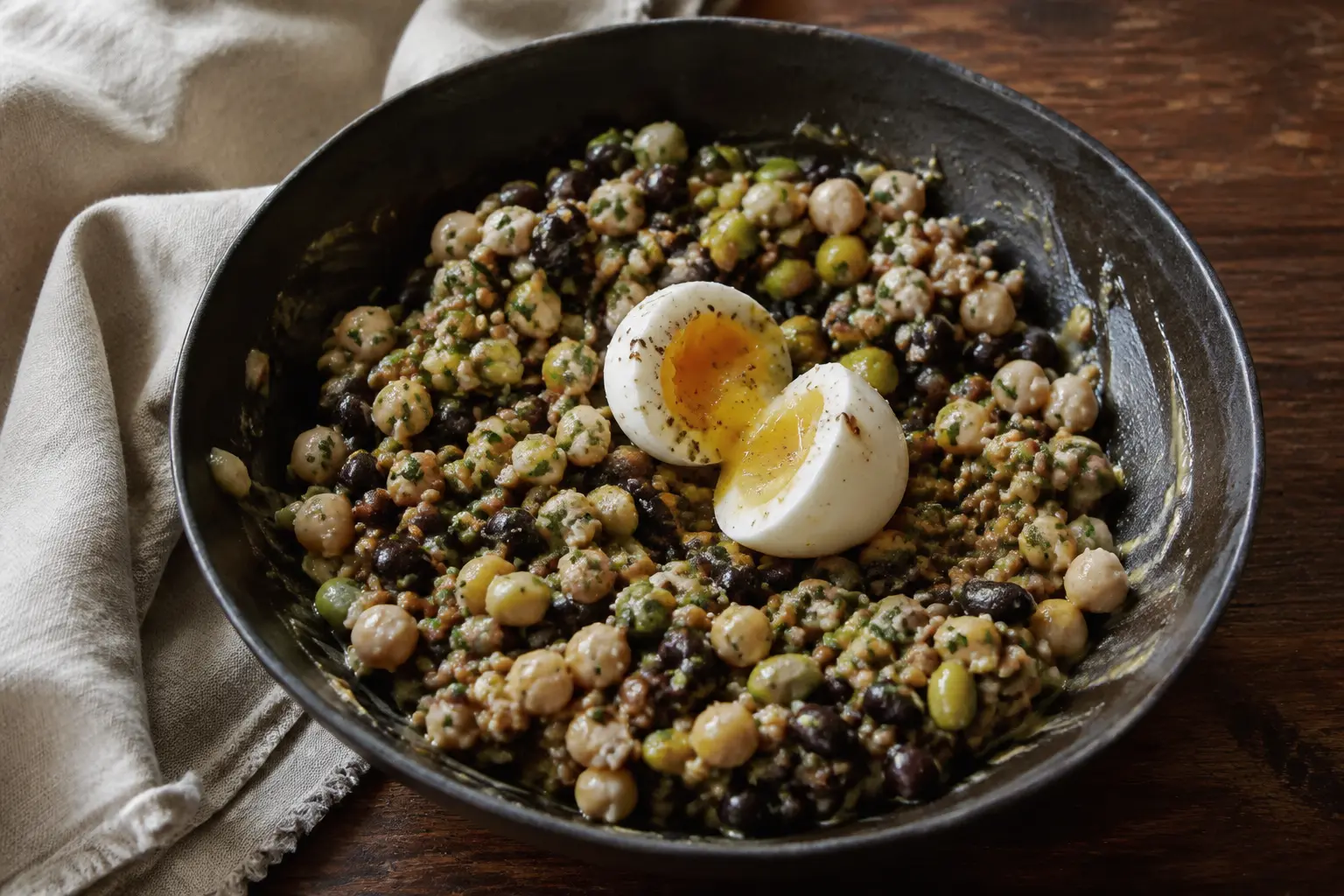
The easiest overlap comes from legumes. Lentils, black beans, chickpeas and edamame bring protein and fibre in one hit. Add eggs, fish, chicken, tofu or yoghurt when they suit your way of eating, then bring in vegetables, seeds or wholegrains instead of treating the protein number as the whole scorecard.
A protein target is useful. A plate with protein, fibre and actual food is better.
Whole food first, convenience second
The Australian Institute of Sport notes that most athletes can meet their protein needs from food, and that distribution across the day matters. Supplements can be practical when appetite, travel or training makes a normal meal difficult. That is a job description, not permission for every snack company to pour whey into dessert.
Start with repeatable meals: eggs and vegetables, Greek yoghurt with berries and seeds, a lentil curry, tuna and bean salad, tofu with greens, or chicken with roasted vegetables. Protein does not need to be quiet again. It just needs to share the plate.
Where this comes from
We favour recognised Australian health bodies, research-led institutions and primary public-health sources.